Dhwani Foundation

NGO Partnership Management for CSRs and Foundations- Key Webinar Takeaways

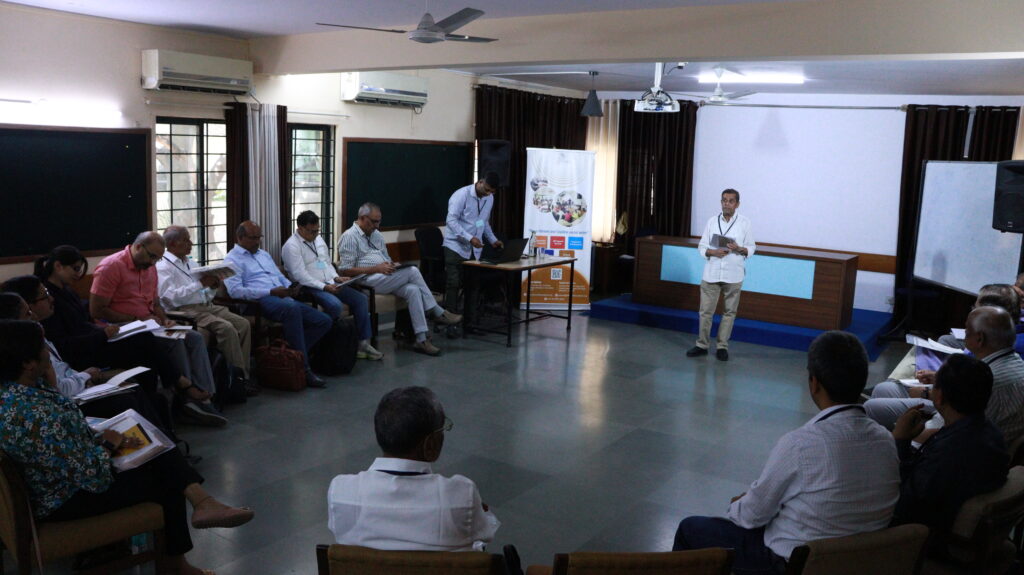
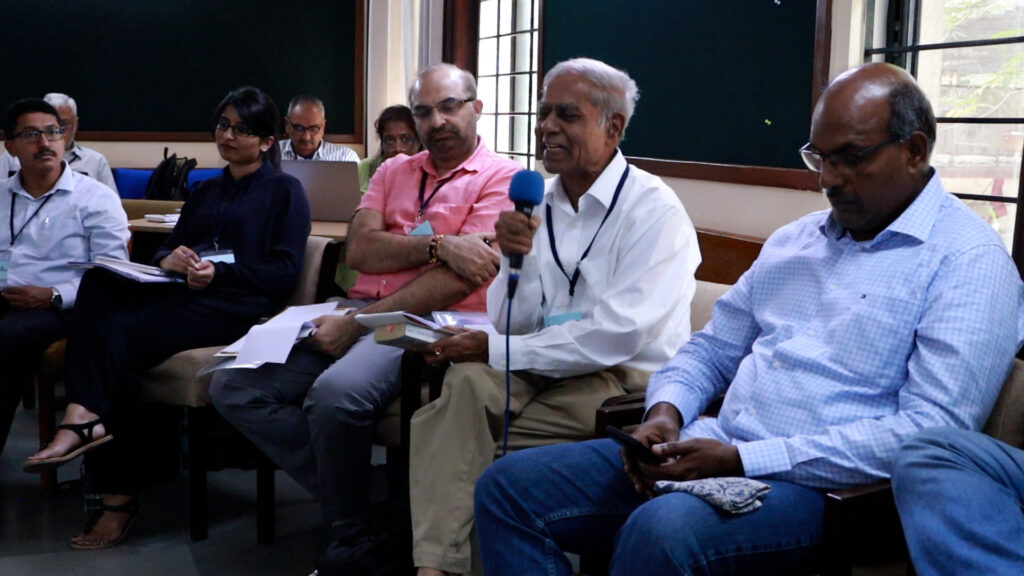
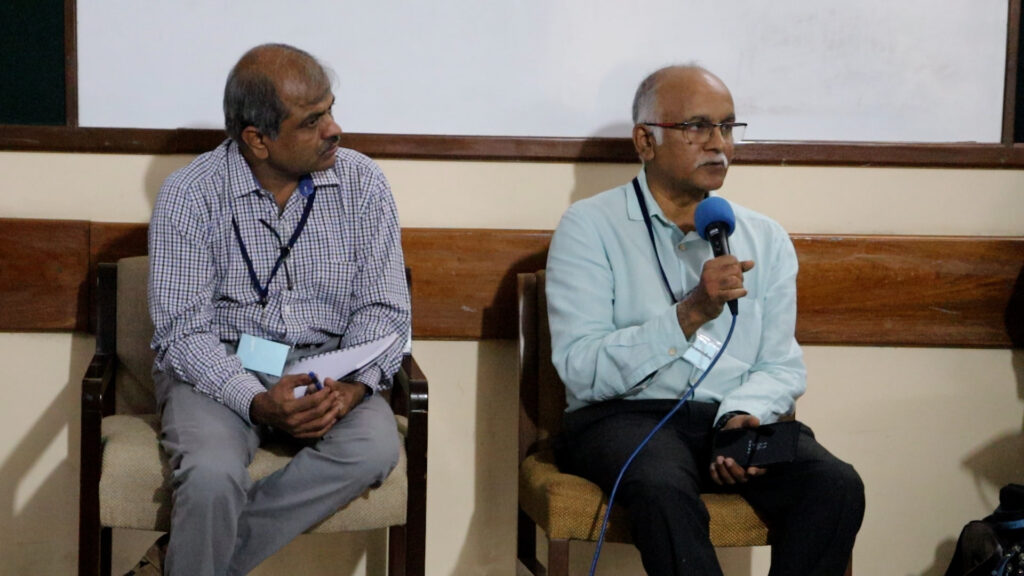
For decades, the narrative surrounding donor-NGO partnerships has been one of transactions. A staggering percentage of NGOs in India rely on donor funding, highlighting the crucial role these partnerships play. However, the traditional model often falls short. A recent webinar featuring leaders from Child Rights and You, Tech Mahindra Foundation, and Dhwani Foundation offered a refreshing perspective, emphasizing collaboration and shared purpose as the driving forces of partnerships for social change. The panellists in the webinar were

The discussions that ensued, shed light on the various aspects of partnerships and the importance of trust, openness, and relationships in unlocking their true potential. Here are a few takeaways that will help us in making the next social change partnership more impactful.

Building Bridges, Not Walls: Trust and Shared Purpose

The foundation of any strong partnership is trust. Moving beyond a donor-agent dynamic and fostering a collaborative environment is crucial. Both sides bring unique strengths to the table: Donors have resources, and NGOs possess deep community understanding. Recognizing this shared purpose is crucial. Puja Marwaha, Chief Executive at Child Rights and You, highlighted, “We are not funding somebody to deliver something. We are in it as partners. It’s not about funding a project; it’s about working together to achieve a lasting change.”

Sustainability: A Marathon, Not a Sprint

Development is a marathon, not a sprint. Short-term projects with unrealistic expectations are a recipe for failure. Anyone venturing to solve a complex issue must recognise this and build long-term partnerships that are flexible and adaptable. Local contexts and unforeseen challenges are inevitable, for instance, a program designed for tribals in one area may not work for another. Chetan Kapoor, CEO of Tech Mahindra Foundation, emphasized this saying, “Having supported our NGO partners for more than 10 years have created an assurance that we are there to support them. This confidence enables them to focus on their work.” True partners weather these challenges together.

Beyond Funding: Building Capacity

The ideal partnership goes beyond funding projects. It empowers NGOs to thrive. Gopinath K N, Executive Director of Dhwani Foundation, highlighted this, stating, “While we started out as a donor, we have changed our approach focusing on building the necessary processes and systems that enable our partners to go to more donors.” Investing in capacity building strengthens internal processes, governance, and leadership. This focus on institutional growth ensures a lasting impact even after the partner exits. CRY, for example, has a principle of supporting NGOs for as long as needed. Puja Marwaha says, “We have supported NGOs for 5 years, 10 years and also 20 years. There are many successful organisations today whom we supported, now doing great things on their own.”

Mutual Respect: A Two-Way Street

Respect is the cornerstone of trust. Donors must acknowledge the expertise and dedication of NGOs working tirelessly on the ground. NGOs, in turn, should be open to valuable insights and resources offered by donors. Chetan Kapoor pointed out that some corporates treat NGOs as vendors, stating, “There is no way that a funder can go with the approach that we have the money, and you have to implement.” NGOs should also create the space for their teams to learn from their donors. This collaborative spirit fosters learning and growth on both sides.

Moving Beyond Transactions: Building a Collaborative Ecosystem

Another dire need of the hour is collaboration within the donor community. Sharing best practices and working together allows for a more impactful and holistic approach to social change. It is a win-win for all when donors are teammates among themselves, not competitors, working alongside NGOs to achieve a common goal.

The Bottom Line: It’s All About Relationships

The key takeaway? Successful partnerships are built on strong relationships. Donors who approach NGOs with trust, respect, and a long-term vision can create a powerful force for positive change. By working together, we can build a future where donors and NGOs are not on opposite sides of the court, but rather teammates playing for the same win. In Puja’s words “We would not have been able to survive without my partners. During covid, our partners acted before us. We have so much to learn from the smaller NGOs then they have to learn from us.”

Heroes of a crisis, in a crisis

“How is education a fundamental right when I can’t even pay for it?” says Mrs Kokila when she applied for an educational loan at the non-profit organisation where she worked for 14 years. Her daughter qualified NEET but the family didn’t have enough financial capability to immediately support her admission. 

Similarly, Philomina, another social worker from Tamil Nadu breaks down when she thanks her organisation’s staff welfare fund committee that immediately transferred 10,000 INR to Philomina’s account when her diabetic daughter suddenly fell sick and was hospitalised. She expresses her gratitude for the immediate acceptance of her loan request.

Indian social workers count to 1.5 million. Often known as the backbone of community development and the champions of the last mile, these frontline workers delve deep into communities, fostering connections and working passionately to bring about positive change. And still we come across a Kokila and a Philomina every once in a while. 

We could have raised a ‘why?’ to this thought, and we did. But since we have closely worked with the grassroots development sector, we found it of utmost importance to address the ‘how?’ to this thought- a “How to support?”

“The award recognized my work for solving the failing crop pattern in 26 villages, but no one knows that I struggle every day to reach the village camps by walking 5kms. I have funds to multiply my work, but I do not have the personal finances to buy a bike.” These words come from the leader of a small NGO in Karnataka.

Does this ring a bell? Maybe we are thinking the same. If an NGO leader struggles with finances, what about the NGO workforce? Are they paid enough? 

Infamous as the “Employees of the unorganised sector,” social workers navigate through unprecedented challenges every day. Neither is the community they strive to uplift easy to deal with, nor are the mandatory organisational challenges easy on them, yet social workers keep doing what they need to. If it is not passion, what is it?

But, within all the structures of the social sector, financial instability often becomes the biggest challenge to navigate. The reasons are many including less than standard salary, undocumented salary credit, and less to NIL increments. These reasons directly affect the personal lives of the social workers. Sometimes it leads to sacrifices in life in terms of education, health, etc. Sometimes it leads to loan rejections from credible financial institutions and adds a burden of over-the-head interest rates of local moneylenders.

If you were a social worker facing such a crisis, what would you do? Maybe look for a better sector to work in? Or migrate for a better opportunity with some minimum perks to have a better lifestyle? Or maybe let your passion keep you alive even when everything else falls apart?

Even a social worker chooses one among these options. As an attempt to fill this gap, we conceptualized the Sahayog initiative- a revolving fund withing non-profit orgnisations. Characterised as zero-interest loans, the fund aims to provide immediate help to the social workers of an organsiation who fall in the face of unexpected financial troubles. We attempted to make things a little easier for the champions of the last mile delivery. 

Read more about Sahayog and learn how you can help.

For the unparallel role social workers play, they deserve more than to be called “Employees of the unorganised sector.” Often coming from the community itself, the social workers are themselves an example of change. Moreover, they go beyond limits to bring a change.

It is important to recognise them and appreciate them, but it is also important to help them lead a dignified life. Financial struggles can affect the quality of a social worker’s life by large and most of the time, overcoming such struggles takes generations. In the process, we often have to sacrifice on true unwavering passion for change. Is such a loss within a developing nation affordable?

If not, then what are we doing for their sustenance? What can we do more?

Grassroots NGOs and the special connection with their community

And why Dhwani does what it does.

NGOs are the foundation of the development sector. We are exposed to several of them in our cities – tirelessly working for their chosen cause. But what do we know of the Grassroots NGOs across the country? About the thousands beyond our urban landscape striving to get some visibility for their neglected and often forgotten communities? How do they pick up a cause? How do they mobilise? What drives them? How do they keep going? How do they sustain? These are some questions that Dhwani continues to ask and be interested in, as we delve deeper into the Grassroots NGO world.

Since its inception, Dhwani Foundation has been intrigued and interested in looking at the work of Grassroots NGOs from the inside out. This has translated into a longstanding commitment to enabling and enhancing these NGOs’ role. We do this through a series of OD and capacity-building programmes in areas like compliance, governance, tech support, fundraising, marketing, etc. that the NGOs require to sustain, thus enabling them to continue serving their people through their good work.

In this highly unusual deep engagement and collaborative set-up, we encounter a myriad of stories. A sex worker upon witnessing fatal brutality on her friend, went on to set up and lead an NGO for mental health among sex workers. A trans person who has set up initiatives in safeguarding and protecting their community. The stories and causes are many, but all share a common thread- wanting to help and uplift their underserved community. Of courage, of hope, of helplessness, and of joy- the stories are endless. But none too much. And all too real.

These countless stories of oppression, injustice, marginalisation apathy that transform them to hope and action, are what is most impressive about the NGOs. Each one eventually leads to the story of how and why these NGOs do what they do. This deep-rooted connection and commitment to the community they serve in turn makes us want to play a part in their journey and their strive for impact. Their experiences become a driving force, compelling them to create pathways for a better future. And in turn, fuels us to continue our support to their endeavors.

Here are a few stand out qualities that we’d like to share that Grassroots NGOs have in common even in the most challenging of times.

Attitude to bring change

Grassroots NGOs do not start with an idea, but an attitude towards bringing a change. This attitude, deeply ingrained in the fabric of grassroots NGOs and grassroots NGO leaders, is what provides them with the resilience to challenges and sustain their efforts for the long haul.

Moreover, NGO leaders are contextual, connected to the community, and understand the nuances of the problems they aim to solve. Whether it’s access to education, healthcare, or economic opportunities, these organisations tailor their interventions to suit the specific needs of the people they serve. This tailored approach not only ensures the relevance of their programs but also fosters a sense of ownership and empowerment within the community.

Collaboration Over Confrontation

Grassroots NGOs don’t trash the system, they collaborate with the existing system to extend and ensure impact among the vulnerable communities.
This collaboration brings an awareness of the ‘what, why, and how’ of their work, allowing them to tailor their interventions to address the specific needs of the people.

Zero-Tolerance for Wrongdoing

Grassroots NGOs embody a commitment to positive change that goes beyond the ordinary. They operate with a zero-tolerance policy for anything wrong, holding themselves to the highest standards of integrity and ethics.

Unwavering passion

For those engaged in grassroots NGOs, it’s more than just a job—it’s a calling, a mission that transcends the boundaries of conventional employment. Driven by an unwavering passion, they persevere, facing challenges head-on with a determination that knows no bounds.

Community driven

Grassroots NGOs view vulnerable communities not as problems to be solved but as individuals with unique needs and aspirations. When addressing issues, they focus only on the community making community participation not just a checkbox but a fundamental principle.

In the intricate network of societal progress, grassroots organisations function as capillaries, ensuring that higher-level government decisions and resources flow seamlessly to each rightful citizen. Unlike larger, more centralised entities, they operate on the principle that solutions to community problems are best crafted by those who intimately understand and face these issues. They are, in essence, the pulse of the community, responding to its needs with an agility and understanding that larger organizations often lack.

Change is an ongoing process, but grassroots NGOs create demand for that change from within the community, empowering individuals to actively participate in their own development. Respecting community beliefs and maintaining dignity, grassroots NGOs intricately influence the thought of change. And once the thought originates within the community, they work hand in hand to bring that change.

Crucially, we need grassroots organisations because they provide primary, real data. This authentic data, grounded in the lived experiences of the community, offers a more accurate and nuanced understanding of the challenges and opportunities present. It becomes the foundation on which the social sector stands.

By what grassroots organisations do and achieve, they become the champions of community-driven change, embodying the spirit of collaboration, humility, and genuine understanding, firmly rooted in the very soil they aim to nurture. They don’t just exist; they persist, fueled by a passion for justice and a vision of a more just world.

In the world of grassroots NGOs, it’s not just about making a difference—it’s about fostering sustainable, community-driven change.

Having spent 18 years in the social sector, we are intrigued by the extraordinary, yet invisible role grassroots NGOs play in the dynamics of social development and that is why we can’t help seeing them and talking about them as special!

Mapping Skill based employee volunteering: Key Webinar takeaways

Corporates have access to the best of resources, in terms of funds, skills, tools, technologies, network and more. Particularly, in terms of human capital and skills, corporates invest in the best of talent and dedicate additional resources on nurturing them. On the other hand, NGOs work with limited resources but bring empathy, intent, and a profound connection with beneficiaries, giving a sense of contributing to the larger benefit of the society often missing in corporate workplace. The potential for transformative collaboration between these two sectors is undeniable and this exchange can be instrumental in bridging the gaps in the social sector.

Skill-based volunteering emerges as a powerful tool in this collaboration, enabling corporates to fortify NGOs while the latter delivers essential services to the beneficiaries. However, for this collaboration to be effective, corporates must align their volunteering initiatives with the genuine needs of the NGOs, prioritizing impact over mere employee engagement.

Key insights from the webinar shed light on essential shifts in mindset and approach:

  1. NGOs must transition from only seeking help from corporates to offering meaningful opportunities for corporate employees to engage. This shift is mutually beneficial as the experience brings out empathy in volunteers and NGOs also transform in the process.
  2. The reciprocal nature of volunteering must be emphasized, highlighting that employees and organizations that volunteer often gain more than they give.
  3. NGOs must recognize the equal value of cash, in-kind donations, and volunteer time—a holistic approach to giving that fosters a comprehensive impact.
  4. Furthermore, NGOs must learn to leverage the value of a volunteer’s time strategically, recognizing its potential to reduce operational costs effectively.

Discussing on a recent study, Kartikye Aggarwal, who is the Growth Strategist at India Welfare Trust highlighted the pressing need for enhanced reporting and disclosure of volunteering data. To further amplify the impact of volunteering initiatives, Aggarwal emphasized the importance of formalizing volunteering policies and incentives.

Discussing with Balakumar Thangavelu, Director of CSR, Employee Volunteering and ESG- Cognizant, shared his perspective on an employee’s journey in the volunteering space using the Volunteering Pyramid. The volunteering pyramid has five levels. It begins with exposure and progresses to advocacy.

He also emphasized the existence of three types of volunteers: tourists, travellers, and guides, each exhibiting varying levels of commitment to volunteering.

  • Tourists: They come for a one-time event and participate and go
  • Travellers: They come with a purpose, want to explore, and understand.
  • Guide:  They will sustain, guide more people, and bring in more volunteers.

Balakumar also discussed how a purposeful experience can make volunteering as an addictive habit, noting that rehabilitation is unnecessary.

Aarti Mahadevan, Founder- Governance Counts focused on the personal development benefits for volunteers, such as building resilience and equity awareness. Aarti shares that it is important for both the volunteers as well as the hosting organisation to effectively plan the volunteering time by understanding the needs and skillsets available. There are abundant volunteering opportunities available to an individual and one must not restrict for a formal occasion to contribute.

Balakumar delved into the corporate context, clarifying that employee volunteering budgets are standalone and not tied to CSR initiatives. The myriad benefits companies gain from employee volunteering include engagement, retention, and enhanced branding. The complexities of employee volunteering go beyond other HR engagements like fun Fridays and are focused to motivate employees embrace the long-term benefits.

Kartikye emphasized the importance of a clear purpose for sustainable volunteering. To scale up these efforts, he suggested that volunteering programs be strategically designed as comprehensive HR solutions. By integrating employee involvement within Corporate Social Responsibility (CSR) projects, a harmonious synergy can be achieved, maximizing the positive outcomes of both volunteering and corporate social initiatives.

Rajiv Kuchhal, an Impact Investor and startup Mentor, provided insights into engaging with rural NGOs and the dynamics involved. With grassroots organisations there is a huge scope of leveraging technology to address their needs.

Aarti brought attention to the need for skill testing and proposed a person-centric approach, advocating for the mapping of individuals based on motivation, cause alignment, and constraints.

NGOs must not shy away from rejecting irrelevant offers and communicate their actual needs, so the engagement contributes to a long-standing impact for all involved. Volunteers are integral to the social change process and urged persistent requests for support. A mindset shift is necessary at the NGO end, moving from being requestors to offering opportunities.

To engage in a practical way, it is important to involve them at all levels of the engagement and avoiding assumptions about their capabilities. A very open discussion, a personal touch can go a long way beyond a one-time activity.

Balakumar shared examples of Cognizant’s initiatives in digital empowerment for NGOs and underscored the importance of thorough preparation when exploring proposals with corporates. He stressed the value of volunteer time, equating it in line with cash or in-kind donation.

In conclusion, the webinar offered a comprehensive understanding of employee skill-based volunteering, highlighting the need for clear purpose, effective engagement strategies, and collaborative efforts between corporates and NGOs. Fostering a symbiotic relationship between corporates and NGOs, grounded in strategic and impactful collaborations, has the potential to bring about a significant positive change in addressing societal challenges.

Aarti Mahadevan is actively involved in the skills based volunteering space. Individuals looking for volunteering opportunities and NGOs looking for volunteering help can reach out to Aarti Mahadevan at: governancecounts@gmail.com.

Empowering grassroots through Flexible Funding: Rebuild India Fund

Organizational Development, once overlooked by donors and grant makers, has undergone a transformative shift. Today, it not only commands attention in the form of dedicated funds but has paved the way for a spectrum of flexible funding options. With many new initiatives in OD, flexible or unrestricted funding is proving to be another effective approach for remarkable developmental successes within the NGO sector. While still countable, these adaptable funds empower grassroots NGOs, encourage innovative approaches to development. The Rebuild India Fund stands out as a noteworthy example of one such initiative empowering grassroots through flexible funding. In this article, we delve into the essence of the Rebuild India Fund and showcase a selection of our Niranthara partners who have harnessed the fund in diverse and impactful ways.

Rebuild India Fund is a collaboration of Dasra and Tarsadia Foundation to promote organizational development through revolutionized funding. It is an initiative aimed at catalysing positive change through capacity building of grassroots organisation and construct a sustainable ecosystem. In a broader perspective, Rebuild India Fund is looking from the bottom-up angle of the social sector development pyramid and is promoting creativity in fund utilization approaches and bring innovation in donation concepts.

Rebuild India Fund aims to support 100 new grassroots NGOs every year by providing a fund of Rupees 10 Lakh annually, up to 5 years. That accounts to Rupees 50 Lakh support to each grassroot NGO in a term of 5 years. This fund is provided for the use of organizational development of grassroots NGOs who otherwise struggle to invest on organizational capacity building due to lack of funds.

Dasra, renowned for its expertise in strategic philanthropy, brings a wealth of knowledge and experience to the table, while the Tarsadia Foundation’s commitment to social impact amplifies the Fund’s reach and effectiveness. The Rebuild India Fund operates on the belief that meaningful change requires a multi-dimensional approach and strategic partnerships.

The Rebuild India Fund was initiated in April 2021 as a response to the critical situation during the peak of the Covid pandemic in India. Back then it started off as a campaign called #Backthefrontline that aimed to support 150+ grassroots NGOs and enable continuity in of their work of strengthening vulnerable communities, during the pandemic.

In less than a year, the campaign successfully raised over $10 million, which was disbursed to 152 NGOs across 30 states and union territories in India. This support has made a significant impact, touching the lives of over 2.9 million individuals.

Acknowledging the enduring aftereffects that Covid would impose on the country’s vulnerable and marginalized communities, and emphasizing the importance of solidarity, Dasra and Tarsadia Foundation decided to broaden the Rebuild India Fund’s objectives. The fund transformed into a comprehensive platform that not only offers relief but also advocates for local empowerment, providing opportunities for individuals to wield influence, exercise agency, and take on leadership roles.

In the present scope, Rebuild India Fund is focused on ensuring grassroots capacity enhancement. The fund has extended its support in a strategic method to 100 grassroots NGOs each year. With 10 lakh each year, NGOs have started coming up with innovative methods to use the funds. The Rebuild India Fund is an effort to bring about a perspective of holistic development within grassroot NGOs. The nature of it being called flexible is to liberate the minds of grassroots leaders and promote unconventional and creative approaches of organization development that would help them serve their communities meaningfully.

The initiative aims to go beyond immediate relief efforts, focusing on sustainable solutions that empower grassroots and build resilience against future challenges.

Another unique feature of this initiative is the selection process which is both meticulous and inclusive, aligning with the initiative’s commitment to impact and sustainability. The robust framework considers various factors to identify NGOs that demonstrate exceptional potential for creating meaningful change at the grassroots level.

One of the key assessment criteria is assessing the leadership capabilities of the grassroot NGO, their commitment, their belief, and their involvement with the community. A strong grassroots leader, or proximate leader as this programme terms them, hold the capacity to bring real impact and sustain it. The programme employs a distinctive approach to identify grassroots, community-centred, and underfunded organizations. This method strongly prioritizes leaders who have a close connection to or come from the vulnerable communities that they are primarily working with, emphasizing a transformation anchored in Gender, Equity, Diversity, and Inclusion.

Even the ranking process is based on these key principles:

  1. Leadership’s direct lived experiences in the communities they serve.
  2. Community centered programme design
  3. Assessment of the vulnerability of the communities served, with a specific focus on intersectionality, considering factors such as gender, caste, geography, religion, disability, and socio-economic status.

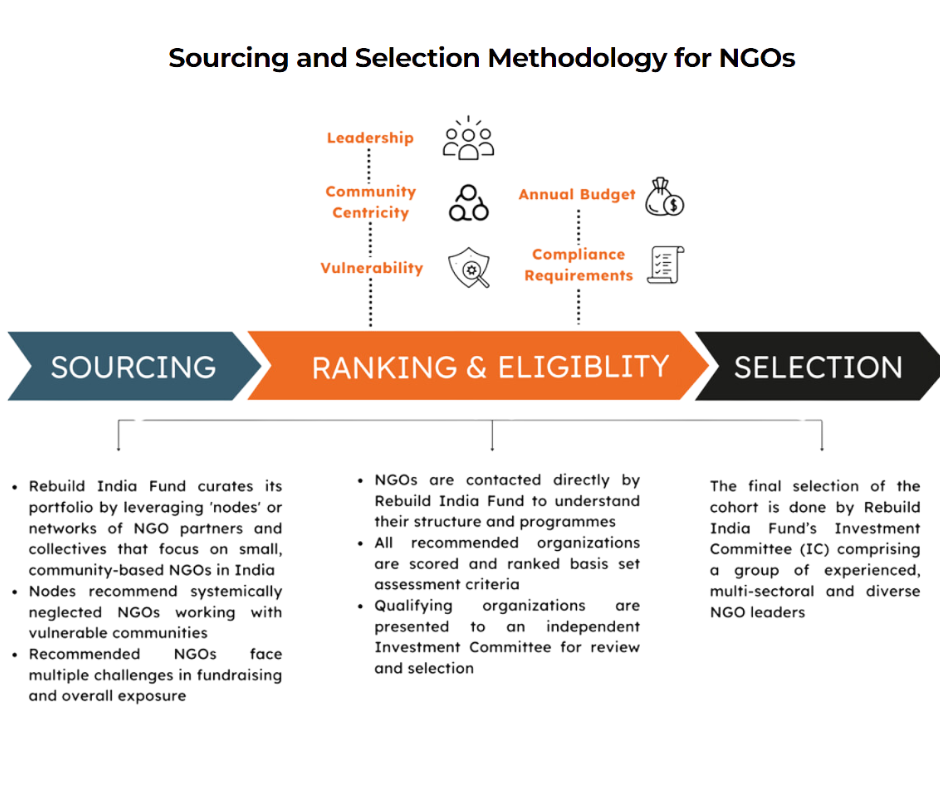
Sourcing: Dasra works with a vast network connected to grassroots organisations. Recommendations for organizations come from NGO networks actively engaged with NGOs throughout India.

Ranking and eligibility: Upon shortlisting a few, an assessment of leadership strength, community centricity, vulnerability, compliance, and annual budget of the NGOs are detailed out for checking eligibility and ranking. Further, the results are reviewed by an independent Investment Committee for final review and selection process.

Selection: Upon review of the key assessments’ angles, the final selection of the cohort is done by Rebuild India Fund’s Investment Committee comprising of diverse members.

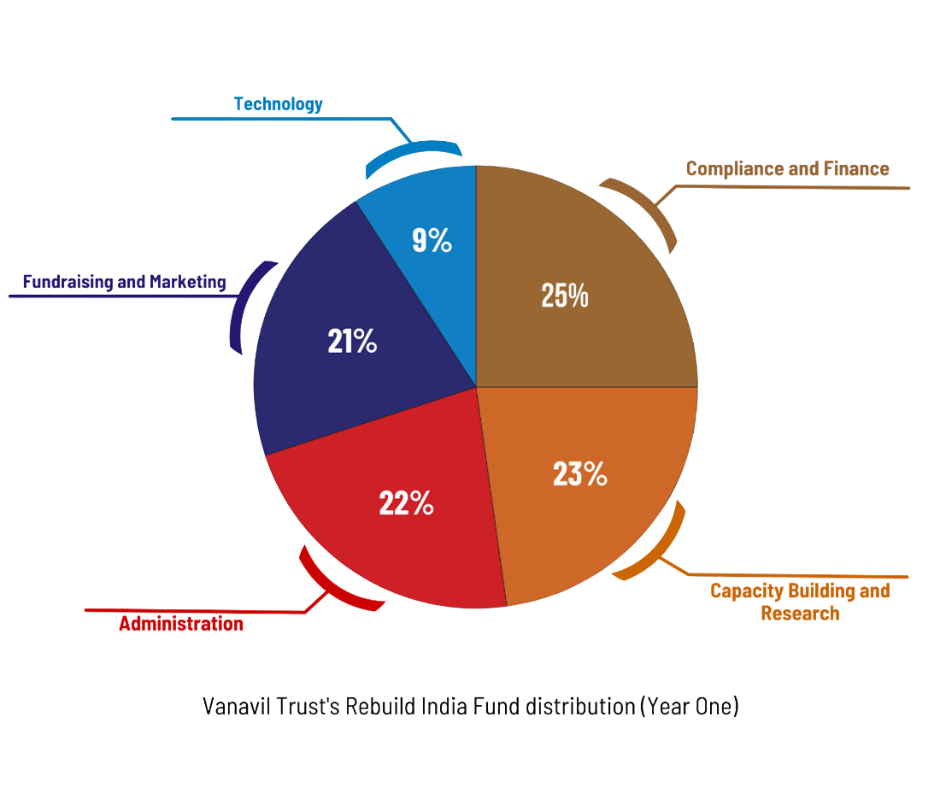
Vanavil Trust, a grassroots NGO operating in the district of Nagapattinam in Tamil Nadu, is dedicated to uplifting the education of children from the Boom Boom Mattikarars and Narikuravars nomadic tribes. These communities, historically overlooked, face challenges accessing formal education. Vanavil Trust, with its 17 years of commitment, runs schools and women care centres in the Nagapattinam district, relying on 60-75% funding from individual donors and small CSR institutions. In 2022, Vanavil became part of the inaugural cohort of the Rebuild India Fund, securing a flexible fund of Rupees 10 lakh per year. The first year saw strategic utilization, highlighted by Revathi Radhakrishnan, the Managing Trustee, during the Rebuild India Fund partners’ meet organized by Dhwani and Dasra.

To ensure compliance and efficiency across multiple interventions of Vanavil Trust, a dedicated Compliance Manager was hired, funded by 25% of the Rebuild India Fund. The second investment focused on research concerning nomadic communities, aiming to document valuable information for strengthening initiatives and influencing future interventions as no prior data is available on the nomadic communities.

21% funds allocated for fundraising and marketing initiatives facilitated the establishment of social media channels and websites, creating networking opportunities that translated into fundraising success. A donor management CRM tool, utilizing 9% of the fund, streamlined donor data for efficient management.

Being a Rebuild India Partner significantly expanded Vanavil’s horizons. During the Rebuild India philanthropy week, a notable donation from Chintu Gudiya Foundation was secured, enabling projects addressing academic weaknesses leading to school dropouts among nomadic students in the 9th grade.

Vanavil’s recognition as a partner has not only opened doors for increased networking and opportunities from donors but has also garnered recognition among top Indian CSR entities.

Established in 2002, RDC (Rural Development Council) was founded with the purpose of uplifting and improving the living conditions of tribal communities in Denkanikottai, Krishnagiri district. The marginalized Dalit and Irula Adivasi communities faced significant challenges in accessing basic amenities, contributing to their social exclusion.

RDC envisions a society marked by equality, where indigenous Adivasi communities lead dignified lives and have access to livelihood resources, including customary rights over forests and lands. The organization is committed to securing basic human rights, with a particular focus on the rights of children and women in various socio-economic, cultural, and political realms.

RDC dedicated a portion of the Fund, to amplifying the digital presence of the organization’s supported social enterprise, “Melagiri Natural Products.” This included setting social media presence and the acquisition of a business WhatsApp account. The fund played a pivotal role in facilitating the registration of the tribal social enterprise, opening avenues for marketing endeavours that not only attracted clientele but also generated an income of 1 lakh rupees.

In a noteworthy enhancement of organizational operations, the fund supported the recruitment of three key staff members—a fundraiser, a documentation officer, and a field organizer. The introduction of webmails for all staff members added a layer of professionalism, streamlining the organization’s day-to-day functioning.

The fund’s impact extended further when RDC strategically partnered with TRIFED and TWD, sending representatives to attend international meetings. This venture resulted in impactful networking, forging valuable contacts in Bangalore and Chennai.

Taking an innovative approach, RDC allocated funds for the renovation of office infrastructure—a crucial element in creating a lasting impression. This investment not only enhanced the physical workspace but also contributed to the organization’s overall professional image. The multifaceted utilization of the Rebuild India Fund by RDC reflects a commitment to fostering growth, sustainability, and impactful change within both the organization and the communities it serves.

Sristi Foundation is dedicated to enhancing the lives of intellectually and mentally challenged individuals in rural Tamil Nadu. G. Karthikeyan, the founder of Sristi Foundation, shared the impactful journey of utilizing the Rebuild India Fund to expedite the establishment of an early intervention centre for autistic children. Karthikeyan, a psychologist himself, understands the importance of early interventions needed in the lives of autistic children and had long been a dream for Sristi Foundation, but delays in government funding prompted them to explore alternative avenues.

Upon applying for and securing the Rebuild India Fund, the entire first-year allocation was invested in realizing the vision of the Early Intervention Center. Karthikeyan, as a grassroots NGO leader, emphasized the empowerment derived from having unrestricted funding, amounting to 50 lakhs, which can be flexibly employed based on evolving needs. Sristi Foundation plans to use this funding to gradually hire new talent, including dedicated Program Managers, enhancing their capacity to serve the community effectively.

Kartikeyan emphasises the value of networking as a Rebuild India Partner, emphasizing how it has proven to be advantageous.

Kartikeyan emphasises the value of networking as a Rebuild India Partner, emphasizing how it has proven to be advantageous. The partnership not only provided financial support for a critical project but also opened avenues for collaboration and connections within the philanthropic ecosystem. This collaborative approach is instrumental in achieving Sristi Foundation’s mission and fostering sustainable impact for intellectually and mentally challenged individuals in the region.

Flexible fund is a great advantage for grassroots NGOs that struggle to raise funds for community projects. Given no restrictions, sometime grassroot leaders do not understand where and how to spend the money. The three grassroots stories being few examples of the Rebuild India Fund utilization, we are looking forward to more innovative approaches this fund will be utilized.

According to Dasra’s initial analysis, 52% grassroot organisations spend the Rebuild India Fund on indirect and long term means of organisational development like building communication channels, leadership networking and capacity building, MIS, donor management tools, translators, documentation and research person, mental well-being of staff, organising seminars, and networking events.

Other partners have utilized the Rebuild India Fund towards sustainability of their interventions such as starting mini enterprises of the community members, providing stipend to volunteers, schemed sponsorships for tribal students willing to take public service examinations etc.

The flexible funding is inspiring grassroots NGOs to think in a liberated and creative perspective. One that can help them develop as development sector professionals while being grounded in the community, which is much needed to sustainability. Rebuild India partners are encouraged to think holistically about organisational development through this fund. Moreover, the Rebuild India Fund embodies the belief that systemic change requires collective action. By bringing together diverse stakeholders, including government bodies, NGOs, corporate entities, and local communities, the initiative seeks to create a powerful network of change agents. The underlying philosophy is rooted in the idea that collaboration enhances the impact of interventions, leading to more effective and scalable outcomes.

Fundraising at grassroots: The donor-receiver gap dynamics

Total CSR spent in 2022 in India records at ₹25,932 Cr and private philanthropists donated about ₹1.05 Lakh Crore for various development projects. In fact, according to research by CSR Box with 300 companies, 38% companies with CSR spent more than their prescribed CSR budget. However, 29% companies could not spend their entire CSR budgets. While the prior shows the tremendous potential of philanthropy and CSR, the latter presents an opportunity for civil society organisations at grassroots.

In our engagements with Grassroots NGO partners, the biggest challenge that they face is finding donors for their cause. Although organisations with technical and geographical advantages often know how to leverage such opportunities, small grassroot organisations miss out on them. Thus, when it comes to small grassroots NGOs that work with vulnerable communities, fundraising still stands out as a top challenge.

Having worked for the capacity building of such small grassroots NGOs, we understand their challenges and try to dig deep to channel a solution. When we interact with the passionate leaders of these grassroot NGOs, two things come out crystal clear. One, they are highly driven for the betterment of their communities; second, they are saturated with the support and resources to work for the cause. Given the geographical, social, and technical gap, the grassroot NGOs are struggling to mainly identify and sustain a donor-receiver relationship. On the other hand, when talking to grantmakers and donors, it comes out that they struggle to find a ‘good’ grassroot organization to give funds to. What defines as ‘good’ is where the gap exists.

Geographic and socio-political conditions make the grassroot organizations work at a dynamic pace. It is both their strength and, sometimes, their weakness. They work in the remotest parts and have access to the most vulnerable communities. Moreover, they are the champions of last-mile delivery.

Because of the fluidity of the diverse issues they tackle and the dynamics involved in the community-focused action, maintaining pace is understandably difficult. But due to this, capacity maximization also runs at a slow pace, leading to challenges including keeping up with the trends in donor engagement. In the scenario, both guidance and networking opportunities are limited.

Grant-making organisations have a standard method of identifying developmental projects and finalizing funding opportunities. However, grassroots organisations find it difficult to cater to all the analysis indicators of the grantmakers due to barriers in language, operational systems, skills, technology, and many more.

Contrasting strengths of grassroots NGOs and their Donors

This multi-dimensional distance between grassroot organisations and grant makers contributes to an ever-widening gap in understanding, leading to grassroot NGOs developing a hopelessness of ever getting the support of a large donor.

Critical challenges that these small grassroot NGOs face while fundraising include:

Identifying donors- In one of Dhwani’s Organisational development workshops, one of the grassroots leaders said, I hear that CSR has a lot of money. I want to know where these CSRs are? 

Grassroot organisations spend most of their time on the ground and have extremely limited time and resources to network beyond their community. A very few can navigate the digital space to research the donors and philanthropies that align with their work. In this case, grassroot NGOs critically struggle to find donors who would build a long-term relationship.

Expressing themselves and their cause to the donors– A grassroots leader who could inspire you if you spent an hour with him or her on the ground may not be able to impress with a concept note in the same way. Weak documentation, language barrier, or the inability to present the big picture fail them to clearly express their cause to the donors. In some cases, the multi-faceted challenges of their community push them to take up multiple issues, and this comes across as a lack of focus.

Lack of standardization of expected documents– Small organisation also mean limited resources. The team around the leader also consists of members from the grassroots. Unfortunately, the skills and exposure of this team mostly fall short of meeting the expectations of the donors, and NGOs struggle to explain their programmes and plans in the way donors want to understand them. This often leads the donors to cancel out on the NGOs, citing ineffectiveness. 

Lack of Visibility– Grassroots are still adapting to the advanced technology and the ways revolving around it. They struggle to raise awareness for the work they are doing among the sector, which includes other NGOs, donors, and policymakers, through mainstream communication channels. Thus, donors and grant makers do not necessarily get to know about the NGOs and their programmes to find an opportunity to fund them.

Hesitation to reach out to big donors and CSRs – Coming from small corners of the geography, the grassroot NGOs hesitate to reach out to large donors and CSRs. This hesitation is majorly due to underconfidence that has also developed due to multiple failures at even getting an encouraging response. We see organisations not excited to dedicate the efforts even when an opportunity is shared.

Struggle to write Elaborate Proposals– NGOs struggle to cater to the elaborate proposals that donors and grant makers seek. It is often found that these NGOs do impactful work but explaining it in words and numbers is always an unprecedented challenge. They often fail to articulate in a way to align with the donors’ vision and lose the opportunity to get funds.

The vicious circle– To fix this, NGOs must up their organisational capabilities, which obviously need skills as well as funds. A very few donors acknowledge the need to extend their funding to meet organisational strengthening needs. In cases where such efforts are invested, we see drastic changes and long standing change.

It is understandable that the flow of funds needs to be systemic to ensure impact generation. And to adhere to this dynamic, donor entities look for an elaborate understanding of the grassroot NGOs before deciding to fund them. While donors look for almost perfect figures in records, high-end impact measurements, and detailed portfolios of programmes; an understanding of the NGOs limitations can add perspective.

Most grassroots organisation come from a vulnerable position and tend to align with donor requests, though they may not fully align with their vision. In that case, understanding organisational strengths and weaknesses while also looking for opportunities to enable the NGO to rise to the next level will be a gamechanger. However important documentation is, if efforts are made, donors can understand the grassroot organisation closely by engaging with the community they work with, the NGO leaders, and direct beneficiaries. Perhaps this sense of relationship building can lead to the strengthening of the resource utilization process and bridge a little of the gap—an effective approach to sustainability as well.

From all the perspectives, organisational development plays an important role in making the fundraising process smoother. From a grassroots NGO point of view, investing in organisational development can bring about noteworthy impact in all processes. From the donors’ point of view, seeking opportunities to fund organisational development within grassroot NGOs will turn out to be effective. Recent initiatives, like Dasra’s Rebuild India Fund and EdelGive’s Grow Fund are great examples of funding that enables grassroots organisations to meet expectations and construct a sustainable bridge between the giving and receiving of funds.

According to the Indian Philanthropy report 2022, CSR contributions are expected to grow at 19% annually, with its share expected to reach about 32% of total private giving by FY 2026. In that case, identifying grassroot organisations and strengthening their potentials through innovative funding is a key angle to look upon.

Grassroots organisations might not be operationally as strong as the donors expect them to be, but they are second to none in the way they understand the needs of their community. They are always open to taking measures towards setting up their processes through organizational development. A holistic organisation development effort can drastically broaden the range of a grassroot NGO in multiple dimensions such as compliance, governance, project management, and technology.

On the other hand, grant makers adding a pinch of empathy in their partner evaluation strategy will boost the ambitions of the grassroots NGOs, who would otherwise get suppressed due to these gap dynamics.

Social Sector Advancement through Federations 

Insights from our recent conclave on Social Sector Federations & Collectives

Civil society in India today is at crossroads.  Ever changing landscape, regulatory framework, diminishing role due to larger role played by Government in implementing social sector programmes have created greater challenges to the sector. In this changing scenario consortium of civil society organizations that represents the interests of its members and can speak as a united voice is helpful to uphold the best interests of the sector. While many federations have been in existence for a while, Dhwani aims to learn from each other’s journey and build on this rich experience.

The Conclave aimed at creating a forum for representatives of major federations/collectives in the country to exchange thoughts and ideas in the interest of the sector and discuss the role of federations and NGO collectives in advancing the cause of the social sector.

The expectations from the conclave were:

  • Understand the purpose around which networks or federations were set up? What are practiced values? Can the group learn from each other?
  • Best practices in individual organisations that can be shared to build a mutually acceptable standard.
  • Avenues to strengthen federations.

Civil society in India has made significant contributions in addressing complex societal issues, giving rise to transformative initiatives like Self Help Groups (SHGs), Watershed projects, and water and sanitation efforts. These endeavors have paved the way for larger programs such as the Rural Livelihood Mission and Swachh Bharat Mission, as well as important legislations like the Right to Information Act, Forest Act, and Right to Education Act.

Despite these achievements, the sector faces several challenges, including a fear of drawing attention to their work, struggling grassroots organizations grappling with capacity-building and financial constraints, low organizational resilience, a lack of standardized practices, insufficient solidarity among organizations, and a deficiency in positive branding and public visibility. Additionally, decentralized data sharing, government claims of issue eradication, existential threats due to legal violations, overregulation, and a dearth of support systems further compound the challenges faced by civil society in India.

These issues collectively pose unprecedented challenges for the sector, which has never encountered such a degree of complexity and pressure before. To overcome these challenges, there is a critical need for improved organization and resilience, standardization of practices, enhanced collaboration, simplified messaging, centralized data sharing, and more positive public narratives to support the important work being done by civil society organizations in India. Furthermore, addressing overregulation and providing better support systems for newcomers in the sector will be essential in maintaining and advancing the sector’s vital contributions to society.

The forum acknowledged a few of the many successes of NGO federations in India. Leprosy Network’s achievement in establishing the first community radio network, advocating for its growth, and ultimately contributing to legislation on the matter. This initiative led to over 600 community radio stations across the country, greatly benefiting the communities. The federation’s efforts in working towards leprosy eradication when there were few CSOs involved in this area also stood out as a significant accomplishment.

VANI shared about the “WhatsApp Revolution” regular sharing of the member achievements on WhatsApp, resulted in the creation of newsletters that reached a wide audience, including NITI Aayog. Mr. T.R. Raghunandan applauded the exceptional success of MNREGA, one of the best-run poverty alleviation programmes. Sphere India’s work in facilitating dialogues between warring factions in Manipur and creating a recognized network in Kerala was also commended. The RRA network’s influence on government policies and programs in Orissa and Andhra Pradesh, resulting in substantial investments, demonstrated the impact that NGOs can have on government expenditure in specific sectors. These examples underscore the invaluable contributions of NGO federations in India.

A strong governance mechanism is the foundation for success of organisations. However, in Federations, due to the presence of a diversified range of stakeholders, the act of decision making itself becomes an ongoing process. The major conflicts arise when the governing body lacks clarity in purpose & narrative, communication, and awareness.  

The conclave noted key inputs from impactful practices of federations and collectives that should explored as models for enhancing governance mechanisms.

  1. Sphere India has an elected body of representatives who govern the federation. Sector wise committees and enriched member engagement programmes such as capacity building webinars, programme newsletters, sharing of performance metrics in general body are some engagement strategies. A Common Minimum Programme (CMP) strategy guides its operations.
  2. Sa-Dhan an industry body with 230 members gets 30-40% of its corpus through membership fees. Positioning itself as an Self Regulatory Body- SRO has given Sa-Dhan much credibility in the sector and among its members. Independent directors from bodies like NABARD add to its credibility. Board members serve for 2 years and can choose to be re-elected. The SRO Committee works independently from the board and whenever required even has to take a stand against its members. Its findings and research reports are accepted by RBI, the apex financial body. Transparency is the mantra, with strict adherence to a detailed Code of Conduct, which is checked through periodic code of conduct audits (COCA). Capacity building through knowledge dissemination, webinars are regularly undertaken along with regional, state and national level conferences. 
  3. LOCAL is an entirely member led process with members defining accountability charter, utilization of funds as well as feedback and complaints. Shared principles of transparency and accountability are critical to their functioning across 13 states. Accountability to the community is a unique feature of this federation.  
  4. GRAKOOS – This federation started from within the community with MNREGA workers. Block level, Taluka and State level committees exist. 1 day wage from the members is its annual membership fee. 60% women and SC/ ST representation in its 11-member committee is unique.  
  5. RCRC – Unregistered body with 96 members spread across the country barring 5 states. 7-member committee includes 3 elected members with a 3-year tenure and 4 founding members. Long term strategy with contributing members who have a sense of ownership is its strength. Joint programming and joint research – credible evidence (partnership with IIM Ahmedabad) is generated and shared with government bodies.  
  6. Goodbye Leprosy – State level bodies have created national association. 5 organisations are part of this federation. Secretariat works through grants – no membership fees are collected at present.

Federations were conceived as a lifeline for CSOs fighting their individual battles. While there are numerous NGO federations/collectives across the country, and they have been able to accomplish successes with respect to advocacy and other initiatives, there are several issues that federations are still grappling with.  

The top challenges faced by federations are around Governance, Democracy, Livelihood/ Survival and Demography. These challenges are consequential from a varied range of reasons such as lack of clarity in purpose, inability to engage the members constructively, and lack of visibility and good narrative for the sector. Additionally, there is a significant knowledge deficit leading to no reports on achievements and thus, the state of civil society cannot be analysed.  

Alongside, enhancement of member perspective through varied approach of capacity building is a need, given that members sometimes behave like beneficiaries. The feeling of ownership among members is a huge gap that often leads to confusion in understanding who the members are. This in turn contributes to a major crunch in resources in the finance and human resource departments.  

Grassroots coalitions fizzling out is another challenge that the federations are struggling with eventually leading to fading strength of federations. 

The conclave on strengthening the CSO world highlighted several key challenges and needs towards which work can be initiated.

  • A need for evidence-based policy advocacy with the government, breaking down into small, manageable points, would ensure success.
  • Advocacy with donors was also deemed crucial.
  • Instead of building parallel structures, devising an informed way to work with the government is beneficial.
  • Parliament and judiciary watch are effective avenues and must be explored.
  • Social security for sector workers was identified as a critical concern.
  • Federations must aspire to be self-regulatory bodies for their members.
  • Utilizing media effectively will maximize impact and get the message across.
  • Lastly, investing in longitudinal research was seen as important for building evidence.

The conclave served as a platform for discussions on the future of federations in the nonprofit sector. It was noted that a survey similar to the one conducted by Dhwani on Industry Federations should be conducted for NGO Federations. Additionally, there is a need to study the collapse of some NGO Federation bodies in the country. Capacity building for federations was identified as a pressing need, with organizations like Dhwani being suggested to undertake this activity.

Standardized norms for federation members’ code of conduct were recommended for Federations to act as self-regulatory organizations (SROs) and become certification authorities. The role of federations in overcoming the challenges faced by civil society is crucial. Innovations made by grassroots organizations should be identified and documented. This will help federations and collectives build a positive narrative about the sector. The suggestions and insights from the conclave aim to pave the way for consensus on the path to be taken by federations in addressing the pressing problems they face. These reflections will help us in structuring our approach to work with more federations and collectives in the country.

Click here to download a detailed report on the discussions and insights drawn from the conclave.

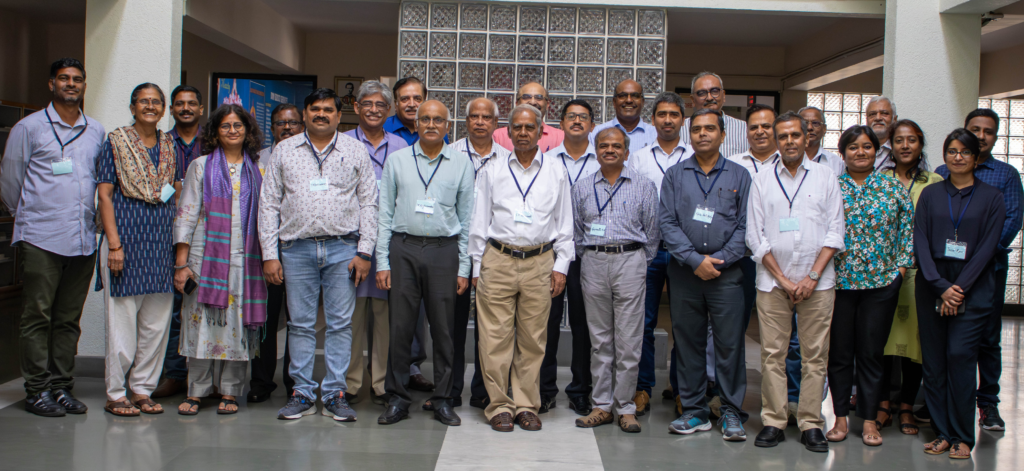
Group picture of Conclave participants
Group picture of participants of the national conclave

Understanding Odisha’s social sector landscape

An Overview of the context of Odisha, as we expand our operations

Striving towards our vision to create a credible social sector, Dhwani’s efforts to scale and inquisitiveness to understand the social sector in Odisha took a shape of a detailed research. The aim was to identify the major concerning issues in the state and understand the grassroots needs. Moreover, the aim was to deeply understand the various developmental domains that various grassroot NGOs of Odisha intervene in see how Dhwani can be relevant in their context.

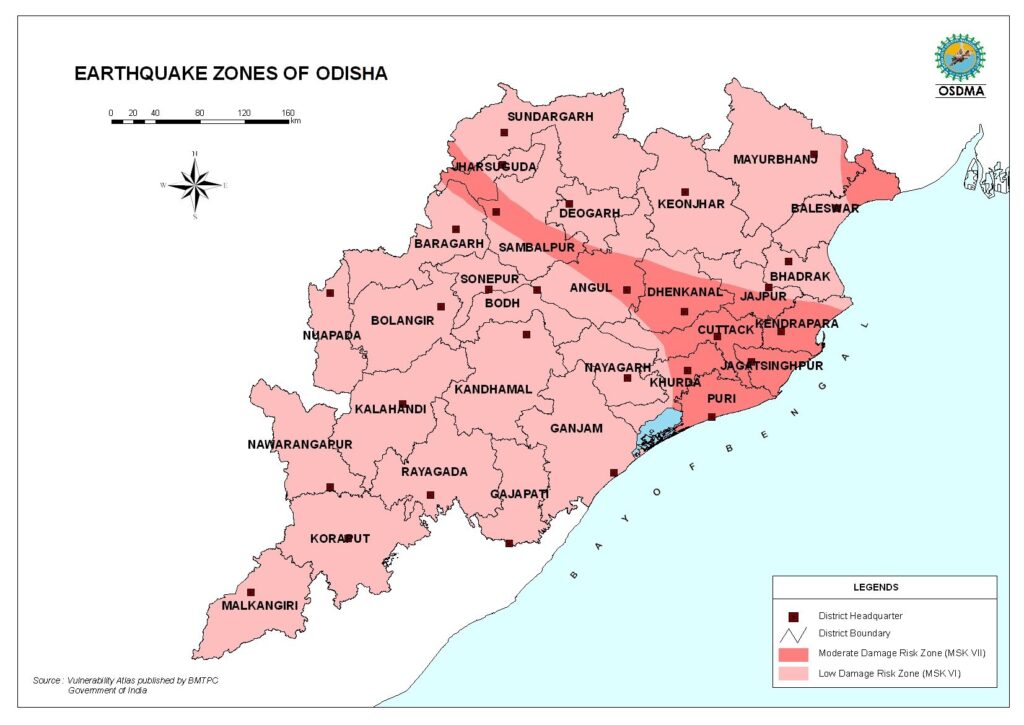
Indian diaspora has a number of developmental issues waiting for a solution. Some of the issues have devised solutions but implementational challenges persist. Inefficiency and uncontrollable instances weaken the weak. One of the biggest issue Indian states deal with, is poor women and child health and poverty. Although variable, but the rates of declining health, unemployment, and poverty has been a majorly thriving and concerning issue in the country. As far as the southeastern state, Odisha is concerned, the dwelling social issues include massive malnutrition and migration fuelled by food insecurity, poverty, and natural disasters. Being a coastal state, natural disasters inevitably influence lifestyle changes every year, leading to, thousands of migrants seeking a survivable lifestyle. This in turn converts to poor health not only of children but also adults.

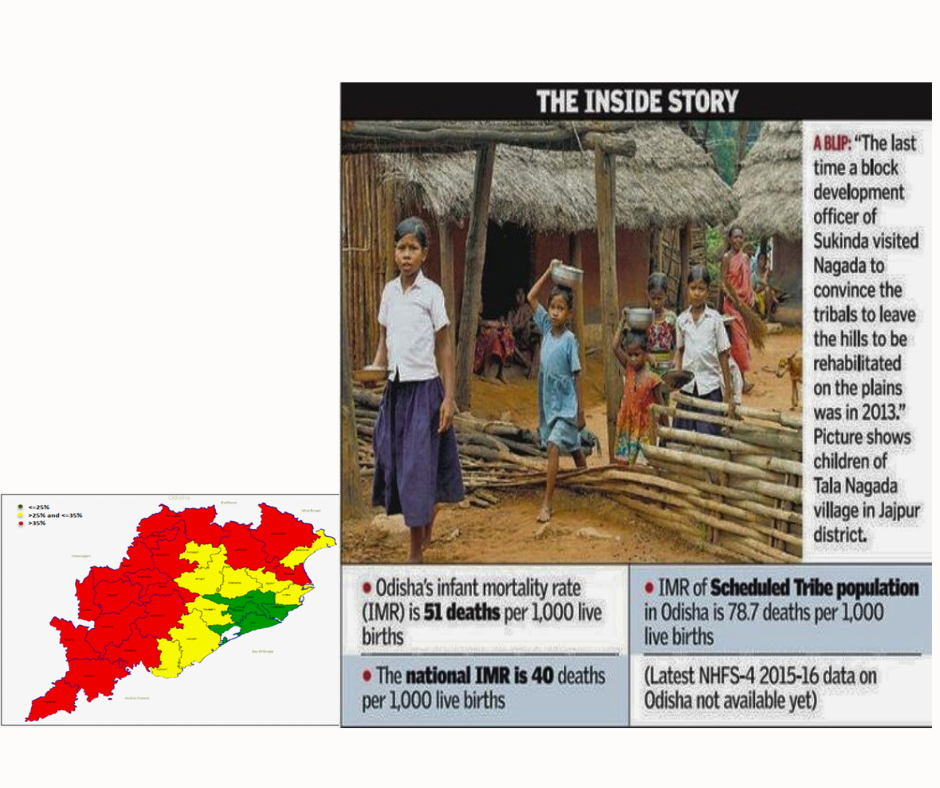
According to the NHFS-5 reports, stunting in Odisha stands at 31%- a significant improvement from 38% in NHFS-4. The rate of underweight children still stands at 29.9%. The most concerning area of malnutrition highlights the districts Cuttack, Khordha, Kendrapada, Nayagarh, Jharsuguda, Mayurbhanj, Malkangiri, Nabarangpur, Bhadrak, and Bargarh. Among them, the most affected population are the tribal communities, who have been anyway deprived of basic necessities for most of their lives.

Given the economic indicators and geographical dynamics, malnutrition in these districts can be traced to food insecurity and calamity-based challenges. These aspects consequently weaken population health in the entire state and thus, always remains in an ongoing recovery stage. Most children born in tribal and remote communities in Odisha tend to be malnourished that often leads to fatal cases in early life. However, other than these socio-geographic dynamics, poor women-care also largely contributes to malnutrition.

Most women in remote patriarchal communities, from an early age are deprived of adequate nutrition since birth. Upon which, early marriages and early pregnancies makes the situation worse. While multiple factors pose as concerns contributing to malnourishment in Odisha, poverty, food insecurity and frequent natural disasters seem to be the larger issues.

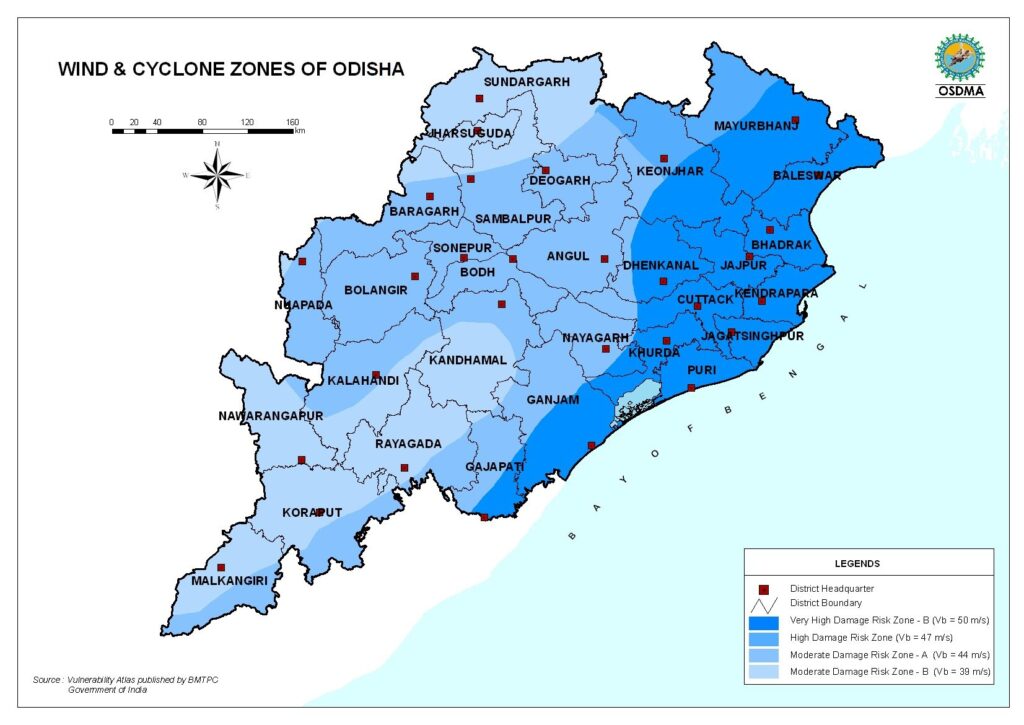
In 1999, Odisha was hit with one of the most destructive super cyclones killing 10,000 people and affecting many more. The gravity of the situation gave birth to the National Disaster Management Authority.

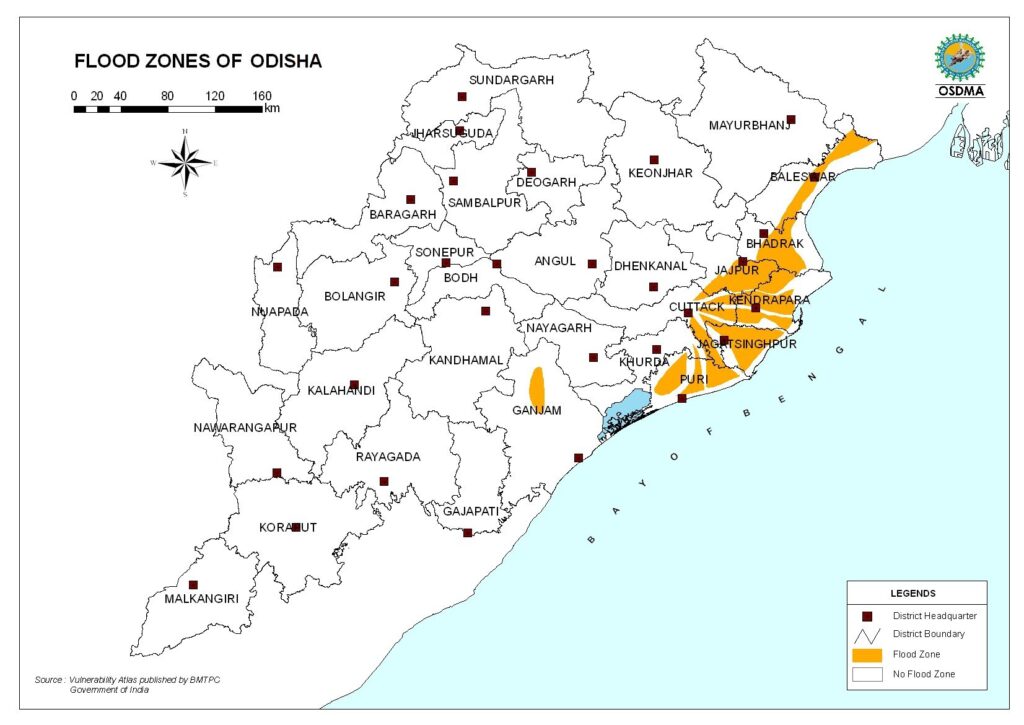
While Odisha has a long history of major natural disasters, In the last 25 years, Odisha has faced 13 years of flood, 8 years of drought, and 6 years of cyclone. DISASTER PREPAREDNESS IN ODISHA, BishnupadaSethi, IAS-2019

The concerning numbers have invited geographical destruction leading to declining farming scopes, irrigation practices and thus, causing less income and food insecurity.

The vicious circle of poverty, food insecurity and natural disasters has progressed to migration. This migration is a distress migration as opposed to an informed one. Odisha sees thousands of people migrating in mass numbers, that again invites basic survival constraints like lack of hygiene, poor nutrition, unchecked health, and poor-quality education.

Central and state government has laid down number of initiatives to tackle the major social concerns in Odisha which includes ICDS, Mamta Diwas-VHND, etc. Odisha has been active with many government initiatives and non-government initiatives to tackle the leading issues of malnutrition, food insecurity, and poverty in a response to peak need and vulnerability of the state. However, the implementation of all these initiatives can become challenging given social, political, geographical, and economical factors of the intended beneficiaries.

We see Government and civil sector organisations working collaboratively to address these issues at multiple fronts. To make interventions possible and bridge the implementational gaps, various non-governmental organisations passionately strive to connect marginalized communities with better accessibility to ensure benefits. Being a vulnerable state to frequent natural disasters, a number of NGOs are working towards controlling the consequential factors. The NGO community comprises of both small and large sized impact making organisations and thus, potentially make variable but notable impact within the grassroot community.

Dhwani Foundation aims to positively impact these passionate grassroot NGOs and maximize their effectiveness through various organisational development initiatives. It is our vision to channelize impact through impact within these non-profit organisations and step towards a more sustainable organisational ecosystem. However, the evolving social sector poses new challenges and every organisation willing to make an intervention always strives to contribute and impact more.

Odisha welcomed Dhwani Foundation with open arms with many stakeholders expressing a need and willing to enhance their organisational capacities. All our interactions showed a larger understanding of how strengthening organisational capabilities will create a positive impact in the grassroot communities across domains of livelihood, health & nutrition, women empowerment, and disability. Dhwani Foundation believes that our grassroot partners from Odisha will become a foundational example that draws the path of sustainability through organisational Development.

COvid Lasika Andolana- COLA

A Collaborative Response of Civil Society Organizations in Karnataka– Full Report 

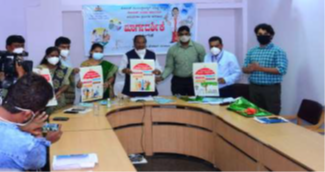
COvid Lasika Andolana or CoLA programme was an emergency response and a small contribution of Dhwani Foundation to supplement the efforts of the Government of Karnataka to contain the spread of the Covid-19 virus particularly in rural Karnataka. Joining hands with the Rural Development and Panchayat Raj (RDPR) department and with the support of 7 NGOs as implementation partners, the most vulnerable communities were vaccinated in 7 Districts.

With the goal to achieve 80% vaccination coverage of the eligible population in 7 districts in 6 months (from July 2021 – December 2021), the campaign was initiated in collaboration with the RDPR Department, Health Department and the District Nodal NGOs.

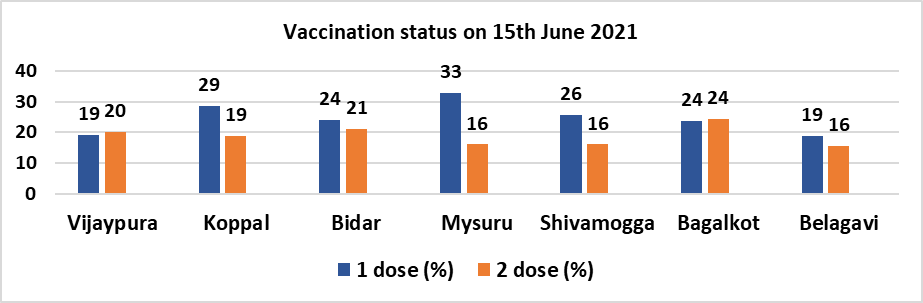
As of June 2021, the average first dose vaccination among the eligible population was 25% and the Second dose was also 25%.

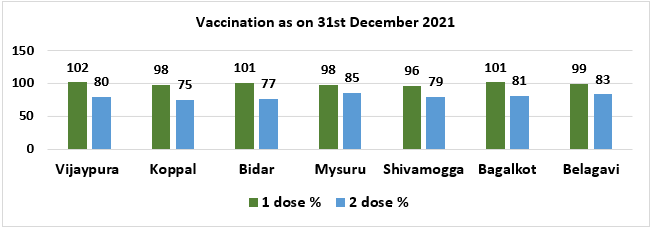
CoLA teams effectively contributed to achieving an average 99% vaccination of the 1st dose and 80% 2nd dose in the 7 districts by 31st December 2021.

CoLA Campaign focused particularly on vulnerable communities and unreached groups such as Scheduled Caste, Schedule Tribes, Persons with Disability, Senior Citizens, Tribal communities, Migrant families, Minority communities, MNREGA workers and communities living on the border districts to promote the vaccination. Nearly 10.42 lakh persons from vulnerable groups have been reached out and ensured vaccination.

The resources engaged in the implementation

About 90% of the Gram Panchayat Task Forces (GPTF) formed by the government were reached out and closely collaborated on vaccination drives in 7 districts.
12,041 ASHA workers, which is 99% of all the ASHA workers mobilized Their support and involvement were crucial in taking this programme to the remotest of communities.
13,444 (77%) ANMs supported conducting the vaccination campaigns.
7 Nodal NGOs, one for each district were identified and recruited for the programme.
1984 Community volunteers were identified by Nodal NGOs and their services helped in coordinating the vaccination drives.

The strategies that helped:

  • Engagement with PHCs/SHCs
  • Door-to-door campaigns
  • Engagement with Gram Panchayat Task Force
  • Engagement with ASHA workers
  • Engagement with Anganwadi Teachers
  • Awareness & Training programmes
  • Volunteer mobilization
  • Vaccination camps 
  • Poster campaigns
  • Appreciation certificates to frontline workers

The involvement of 7 Nodal NGO partners with the District Administration, Taluka, Gram Panchayath bodies and officials have strengthened the identity and recognition of the NGOs with a potential for future collaborations and partnerships. The Nodal NGOs at Vijaypura and Bidar got further financial support for the continuation of the vaccination campaign for school children and booster doses for other age groups as well.

Conclusion

The Experiences to Dhwani Foundation in terms of direct programme funding, implementation, creation of systems and processes, monitoring, working with other support organizations such as United Way-Collins Aerospace, specialist organizations in the health sector, engaging with senior officials of the Government of Karnataka and the recognition from the Department has been very enriching and motivating.

When the Covid-19 pandemic struck, we went back to the people and communities – particularly vulnerable groups living in remote parts of rural Karnataka, working along with the government health systems, health workers, community-based organizations and NGOs to address one of the most challenging public health crisis the country had ever witnessed. The Vaccination campaign was successful by the sheer hard work and commitment of the frontline staff. This campaign has again proved that constructive collaboration among Government, the Non-profit sector, Civil society organizations, the Private sector and local communities can greatly contribute to building stronger communities.

The Department recommended the names of 7 nodal NGOs and the Honourable Chief Minister of Karnataka Sri Basavaraj Bommai has signed appreciation certificates for the NGOs.

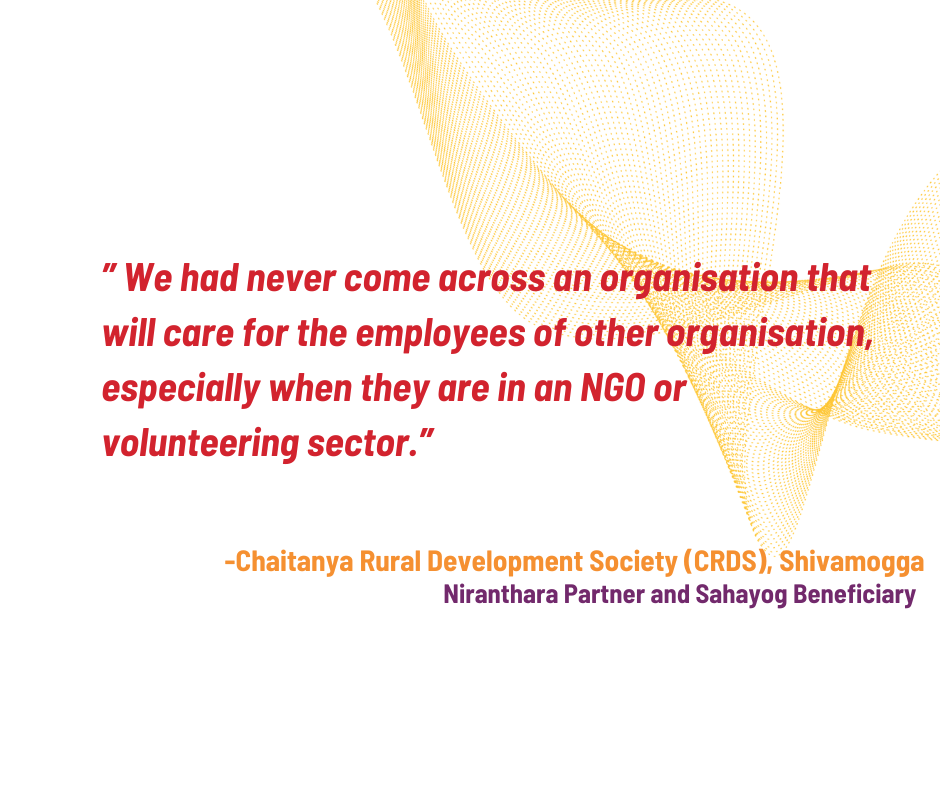
  1. Chaitanya Rural Development Society, Shivamogga  
  2. Institute for Rural Development, Vijaypura  
  3. Participative Watershed And Rural Development Agency, Bidar
  4. Sarvodaya Integrated Rural Development Society, Koppal  
  5. Green Dot Trust, Mysuru  
  6. Society for Empowerment Through Voluntary Action in Karnataka (SEVAK)
  7. Rural Environmental Awareness Community Help (REACH), Bagalkot 

Helping NGOs build their brand, and fundraise effectively

The Nikhaar programme helps train grassroots NGOs on brand-building, communications, and fundraising. The programme also helps NGOs develop media collaterals and provide training and grants for resources.

In the last year, the Niranthara Karnataka batch NGOs have also gone through the Nikhaar programme.  Fundraising Managers (FRMs) were hired and joined their respective NGOs in December, 2020. 

The Fundraising Managers and Leaders attended training on content creation, marketing strategy, organising campaigns, etc. Over the months, they attended sessions on 50+ different topics. They also attended sales skills training that covered important aspects of prospect interaction. They worked with mentors who helped them in organisation presentation and concept notes, and supported monitoring field interactions.

As part of the programme, we conducted an evaluation of presentation skills, through mock presentations and their overall performance through the programme. 

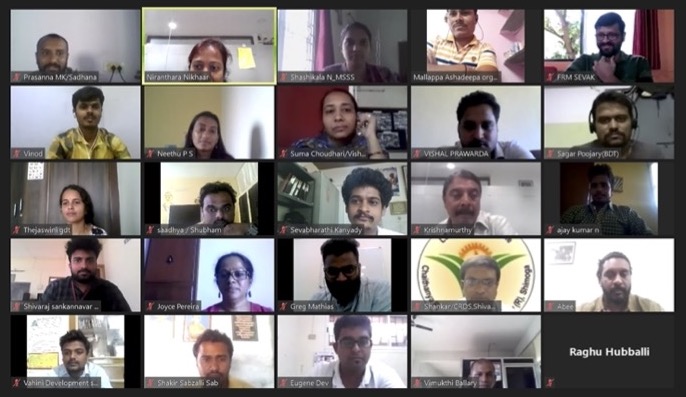
Zoom screenshot
A Nikhaar session online

The results

Standout Performer

Our evaluation during the training period looked at participation during sessions, score in various presentations and the score in assignments.

  • Suma Choudari, Vishala -Rural Women & Children Development Organization
  • Neethu P S, Vidyanikethan
  • Sagar C Poojari, Shri B D Tatti (Annavaru) Memorial Charitable Trust 

Donors Delight Award 

The top scorers in presentations to Dhwani’s senior management are:

  • Sagar C Poojari, Shri B D Tatti (Annavaru) Memorial Charitable Trust 
  • G.V.Shankar Rao, Sarwc- Service Agency For Rural Women And Children
  • Charan Kumar M, Sevabharathi
  • Jacob Mascarenhas, S E V A K – Society For Empowerment Through Voluntary Action In Karnataka
  • Prasanna M K, Sadhana – A Tool For Development (Rural, Tribal & Urban Development)

Super Storyteller

The top scorers in the ‘Success Story Challenge’ are:

  • Sagar C Poojari, Shri B D Tatti(Annavaru) Memorial Charitable Trust 
  • Neethu P S, Vidyanikethan
  • Jacob Mascarenhas, S E V A K – Society For Empowerment Through Voluntary Action In Karnataka
  • Charan Kumar M, Sevabharathi
  • Suma Choudari, Vishala -Rural Women & Children Development Organization

Leaders Delight Award

  • The top scorers as per evaluation by the respective NGOs’ leaders during training period are:
  • Neethu P S, Vidyanikethan
  • Vishal V, Prawarda (Participative Watershed & Rural Development Agency)
  • Thejaswini, Green Dot Trust
  • Charan Kumar M, Sevabharathi

Other awards included Emerging FRMs with Diwakar J (IPDP), Thejaswini (Green Dot Trust), and Suma Choudari (Vishala) as winners, and Champion Buddy won by Sagar C Poojari. 

Profile photo of 10 winners
From Top left, clockwise:
Suma Choudari (Vishala), Vishal V (Prawarda), Sagar C Poojari (B D Tatti Trust), Thejaswini (Green Dot Trust), Neethu P S (Vidyanikethan), Jacob Mascarenhas (S E V A K), Diwakar J (IPDP), Charan Kumar M (Sevabharathi), Prasanna M K (Sadhana), G.V.Shankar Rao (SARWC)