Dhwani Foundation

Mapping Skill based employee volunteering: Key Webinar takeaways

Corporates have access to the best of resources, in terms of funds, skills, tools, technologies, network and more. Particularly, in terms of human capital and skills, corporates invest in the best of talent and dedicate additional resources on nurturing them. On the other hand, NGOs work with limited resources but bring empathy, intent, and a profound connection with beneficiaries, giving a sense of contributing to the larger benefit of the society often missing in corporate workplace. The potential for transformative collaboration between these two sectors is undeniable and this exchange can be instrumental in bridging the gaps in the social sector.

Skill-based volunteering emerges as a powerful tool in this collaboration, enabling corporates to fortify NGOs while the latter delivers essential services to the beneficiaries. However, for this collaboration to be effective, corporates must align their volunteering initiatives with the genuine needs of the NGOs, prioritizing impact over mere employee engagement.

Key insights from the webinar shed light on essential shifts in mindset and approach:

  1. NGOs must transition from only seeking help from corporates to offering meaningful opportunities for corporate employees to engage. This shift is mutually beneficial as the experience brings out empathy in volunteers and NGOs also transform in the process.
  2. The reciprocal nature of volunteering must be emphasized, highlighting that employees and organizations that volunteer often gain more than they give.
  3. NGOs must recognize the equal value of cash, in-kind donations, and volunteer time—a holistic approach to giving that fosters a comprehensive impact.
  4. Furthermore, NGOs must learn to leverage the value of a volunteer’s time strategically, recognizing its potential to reduce operational costs effectively.

Discussing on a recent study, Kartikye Aggarwal, who is the Growth Strategist at India Welfare Trust highlighted the pressing need for enhanced reporting and disclosure of volunteering data. To further amplify the impact of volunteering initiatives, Aggarwal emphasized the importance of formalizing volunteering policies and incentives.

Discussing with Balakumar Thangavelu, Director of CSR, Employee Volunteering and ESG- Cognizant, shared his perspective on an employee’s journey in the volunteering space using the Volunteering Pyramid. The volunteering pyramid has five levels. It begins with exposure and progresses to advocacy.

He also emphasized the existence of three types of volunteers: tourists, travellers, and guides, each exhibiting varying levels of commitment to volunteering.

  • Tourists: They come for a one-time event and participate and go
  • Travellers: They come with a purpose, want to explore, and understand.
  • Guide:  They will sustain, guide more people, and bring in more volunteers.

Balakumar also discussed how a purposeful experience can make volunteering as an addictive habit, noting that rehabilitation is unnecessary.

Aarti Mahadevan, Founder- Governance Counts focused on the personal development benefits for volunteers, such as building resilience and equity awareness. Aarti shares that it is important for both the volunteers as well as the hosting organisation to effectively plan the volunteering time by understanding the needs and skillsets available. There are abundant volunteering opportunities available to an individual and one must not restrict for a formal occasion to contribute.

Balakumar delved into the corporate context, clarifying that employee volunteering budgets are standalone and not tied to CSR initiatives. The myriad benefits companies gain from employee volunteering include engagement, retention, and enhanced branding. The complexities of employee volunteering go beyond other HR engagements like fun Fridays and are focused to motivate employees embrace the long-term benefits.

Kartikye emphasized the importance of a clear purpose for sustainable volunteering. To scale up these efforts, he suggested that volunteering programs be strategically designed as comprehensive HR solutions. By integrating employee involvement within Corporate Social Responsibility (CSR) projects, a harmonious synergy can be achieved, maximizing the positive outcomes of both volunteering and corporate social initiatives.

Rajiv Kuchhal, an Impact Investor and startup Mentor, provided insights into engaging with rural NGOs and the dynamics involved. With grassroots organisations there is a huge scope of leveraging technology to address their needs.

Aarti brought attention to the need for skill testing and proposed a person-centric approach, advocating for the mapping of individuals based on motivation, cause alignment, and constraints.

NGOs must not shy away from rejecting irrelevant offers and communicate their actual needs, so the engagement contributes to a long-standing impact for all involved. Volunteers are integral to the social change process and urged persistent requests for support. A mindset shift is necessary at the NGO end, moving from being requestors to offering opportunities.

To engage in a practical way, it is important to involve them at all levels of the engagement and avoiding assumptions about their capabilities. A very open discussion, a personal touch can go a long way beyond a one-time activity.

Balakumar shared examples of Cognizant’s initiatives in digital empowerment for NGOs and underscored the importance of thorough preparation when exploring proposals with corporates. He stressed the value of volunteer time, equating it in line with cash or in-kind donation.

In conclusion, the webinar offered a comprehensive understanding of employee skill-based volunteering, highlighting the need for clear purpose, effective engagement strategies, and collaborative efforts between corporates and NGOs. Fostering a symbiotic relationship between corporates and NGOs, grounded in strategic and impactful collaborations, has the potential to bring about a significant positive change in addressing societal challenges.

Aarti Mahadevan is actively involved in the skills based volunteering space. Individuals looking for volunteering opportunities and NGOs looking for volunteering help can reach out to Aarti Mahadevan at: governancecounts@gmail.com.
Social Sector Advancement through Federations 

Insights from our recent conclave on Social Sector Federations & Collectives

Civil society in India today is at crossroads.  Ever changing landscape, regulatory framework, diminishing role due to larger role played by Government in implementing social sector programmes have created greater challenges to the sector. In this changing scenario consortium of civil society organizations that represents the interests of its members and can speak as a united voice is helpful to uphold the best interests of the sector. While many federations have been in existence for a while, Dhwani aims to learn from each other’s journey and build on this rich experience.

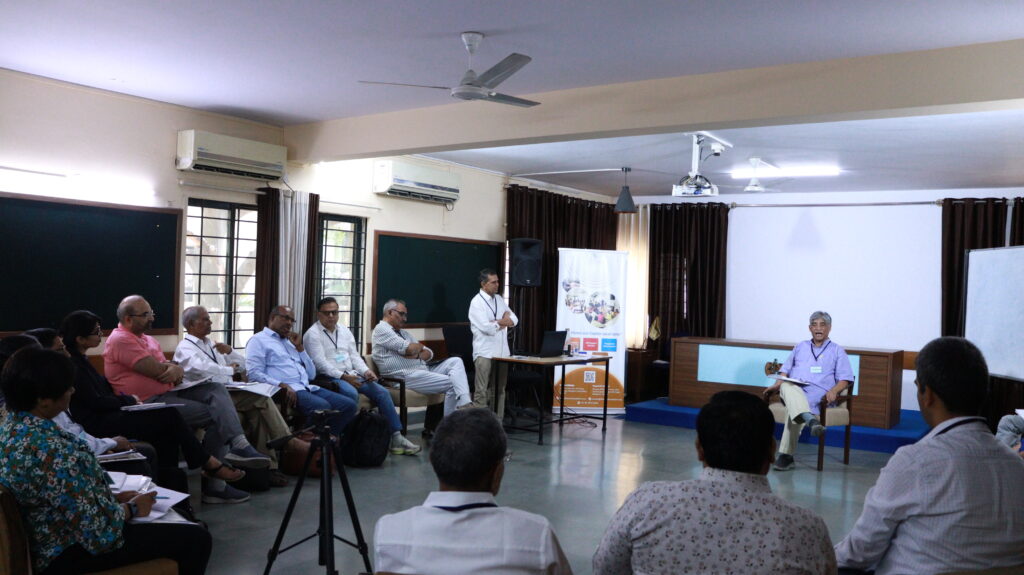
The Conclave aimed at creating a forum for representatives of major federations/collectives in the country to exchange thoughts and ideas in the interest of the sector and discuss the role of federations and NGO collectives in advancing the cause of the social sector.

The expectations from the conclave were:

  • Understand the purpose around which networks or federations were set up? What are practiced values? Can the group learn from each other?
  • Best practices in individual organisations that can be shared to build a mutually acceptable standard.
  • Avenues to strengthen federations.

Civil society in India has made significant contributions in addressing complex societal issues, giving rise to transformative initiatives like Self Help Groups (SHGs), Watershed projects, and water and sanitation efforts. These endeavors have paved the way for larger programs such as the Rural Livelihood Mission and Swachh Bharat Mission, as well as important legislations like the Right to Information Act, Forest Act, and Right to Education Act.

Despite these achievements, the sector faces several challenges, including a fear of drawing attention to their work, struggling grassroots organizations grappling with capacity-building and financial constraints, low organizational resilience, a lack of standardized practices, insufficient solidarity among organizations, and a deficiency in positive branding and public visibility. Additionally, decentralized data sharing, government claims of issue eradication, existential threats due to legal violations, overregulation, and a dearth of support systems further compound the challenges faced by civil society in India.

These issues collectively pose unprecedented challenges for the sector, which has never encountered such a degree of complexity and pressure before. To overcome these challenges, there is a critical need for improved organization and resilience, standardization of practices, enhanced collaboration, simplified messaging, centralized data sharing, and more positive public narratives to support the important work being done by civil society organizations in India. Furthermore, addressing overregulation and providing better support systems for newcomers in the sector will be essential in maintaining and advancing the sector’s vital contributions to society.

The forum acknowledged a few of the many successes of NGO federations in India. Leprosy Network’s achievement in establishing the first community radio network, advocating for its growth, and ultimately contributing to legislation on the matter. This initiative led to over 600 community radio stations across the country, greatly benefiting the communities. The federation’s efforts in working towards leprosy eradication when there were few CSOs involved in this area also stood out as a significant accomplishment.

VANI shared about the “WhatsApp Revolution” regular sharing of the member achievements on WhatsApp, resulted in the creation of newsletters that reached a wide audience, including NITI Aayog. Mr. T.R. Raghunandan applauded the exceptional success of MNREGA, one of the best-run poverty alleviation programmes. Sphere India’s work in facilitating dialogues between warring factions in Manipur and creating a recognized network in Kerala was also commended. The RRA network’s influence on government policies and programs in Orissa and Andhra Pradesh, resulting in substantial investments, demonstrated the impact that NGOs can have on government expenditure in specific sectors. These examples underscore the invaluable contributions of NGO federations in India.

A strong governance mechanism is the foundation for success of organisations. However, in Federations, due to the presence of a diversified range of stakeholders, the act of decision making itself becomes an ongoing process. The major conflicts arise when the governing body lacks clarity in purpose & narrative, communication, and awareness.  

The conclave noted key inputs from impactful practices of federations and collectives that should explored as models for enhancing governance mechanisms.

  1. Sphere India has an elected body of representatives who govern the federation. Sector wise committees and enriched member engagement programmes such as capacity building webinars, programme newsletters, sharing of performance metrics in general body are some engagement strategies. A Common Minimum Programme (CMP) strategy guides its operations.
  2. Sa-Dhan an industry body with 230 members gets 30-40% of its corpus through membership fees. Positioning itself as an Self Regulatory Body- SRO has given Sa-Dhan much credibility in the sector and among its members. Independent directors from bodies like NABARD add to its credibility. Board members serve for 2 years and can choose to be re-elected. The SRO Committee works independently from the board and whenever required even has to take a stand against its members. Its findings and research reports are accepted by RBI, the apex financial body. Transparency is the mantra, with strict adherence to a detailed Code of Conduct, which is checked through periodic code of conduct audits (COCA). Capacity building through knowledge dissemination, webinars are regularly undertaken along with regional, state and national level conferences. 
  3. LOCAL is an entirely member led process with members defining accountability charter, utilization of funds as well as feedback and complaints. Shared principles of transparency and accountability are critical to their functioning across 13 states. Accountability to the community is a unique feature of this federation.  
  4. GRAKOOS – This federation started from within the community with MNREGA workers. Block level, Taluka and State level committees exist. 1 day wage from the members is its annual membership fee. 60% women and SC/ ST representation in its 11-member committee is unique.  
  5. RCRC – Unregistered body with 96 members spread across the country barring 5 states. 7-member committee includes 3 elected members with a 3-year tenure and 4 founding members. Long term strategy with contributing members who have a sense of ownership is its strength. Joint programming and joint research – credible evidence (partnership with IIM Ahmedabad) is generated and shared with government bodies.  
  6. Goodbye Leprosy – State level bodies have created national association. 5 organisations are part of this federation. Secretariat works through grants – no membership fees are collected at present.

Federations were conceived as a lifeline for CSOs fighting their individual battles. While there are numerous NGO federations/collectives across the country, and they have been able to accomplish successes with respect to advocacy and other initiatives, there are several issues that federations are still grappling with.  

The top challenges faced by federations are around Governance, Democracy, Livelihood/ Survival and Demography. These challenges are consequential from a varied range of reasons such as lack of clarity in purpose, inability to engage the members constructively, and lack of visibility and good narrative for the sector. Additionally, there is a significant knowledge deficit leading to no reports on achievements and thus, the state of civil society cannot be analysed.  

Alongside, enhancement of member perspective through varied approach of capacity building is a need, given that members sometimes behave like beneficiaries. The feeling of ownership among members is a huge gap that often leads to confusion in understanding who the members are. This in turn contributes to a major crunch in resources in the finance and human resource departments.  

Grassroots coalitions fizzling out is another challenge that the federations are struggling with eventually leading to fading strength of federations. 

The conclave on strengthening the CSO world highlighted several key challenges and needs towards which work can be initiated.

  • A need for evidence-based policy advocacy with the government, breaking down into small, manageable points, would ensure success.
  • Advocacy with donors was also deemed crucial.
  • Instead of building parallel structures, devising an informed way to work with the government is beneficial.
  • Parliament and judiciary watch are effective avenues and must be explored.
  • Social security for sector workers was identified as a critical concern.
  • Federations must aspire to be self-regulatory bodies for their members.
  • Utilizing media effectively will maximize impact and get the message across.
  • Lastly, investing in longitudinal research was seen as important for building evidence.

The conclave served as a platform for discussions on the future of federations in the nonprofit sector. It was noted that a survey similar to the one conducted by Dhwani on Industry Federations should be conducted for NGO Federations. Additionally, there is a need to study the collapse of some NGO Federation bodies in the country. Capacity building for federations was identified as a pressing need, with organizations like Dhwani being suggested to undertake this activity.

Standardized norms for federation members’ code of conduct were recommended for Federations to act as self-regulatory organizations (SROs) and become certification authorities. The role of federations in overcoming the challenges faced by civil society is crucial. Innovations made by grassroots organizations should be identified and documented. This will help federations and collectives build a positive narrative about the sector. The suggestions and insights from the conclave aim to pave the way for consensus on the path to be taken by federations in addressing the pressing problems they face. These reflections will help us in structuring our approach to work with more federations and collectives in the country.

Click here to download a detailed report on the discussions and insights drawn from the conclave.

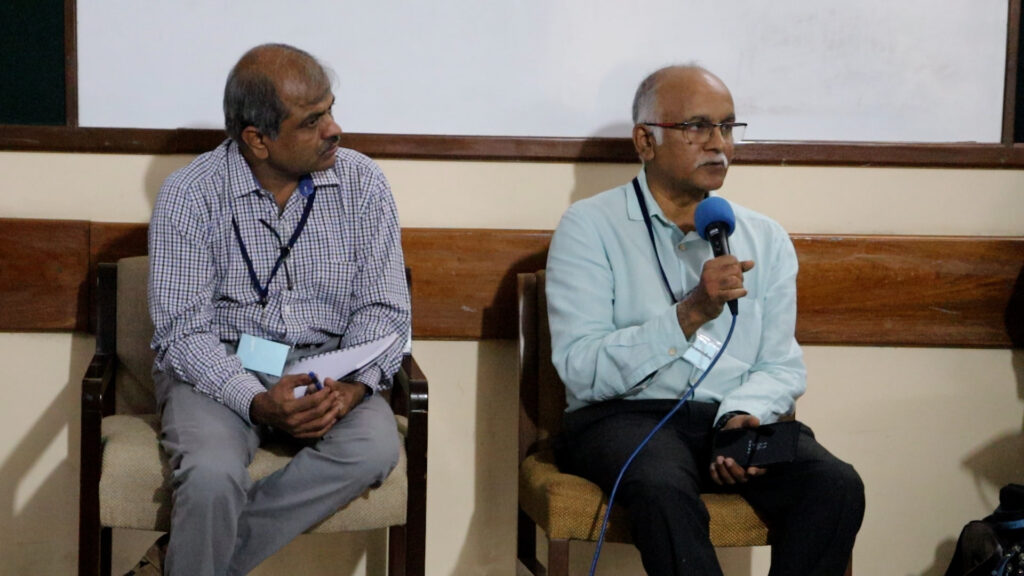
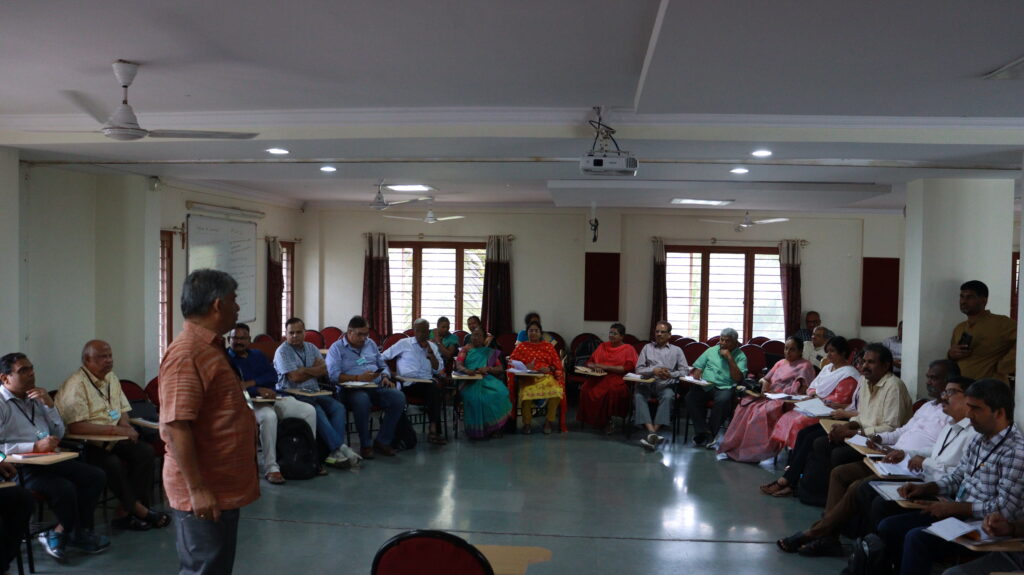
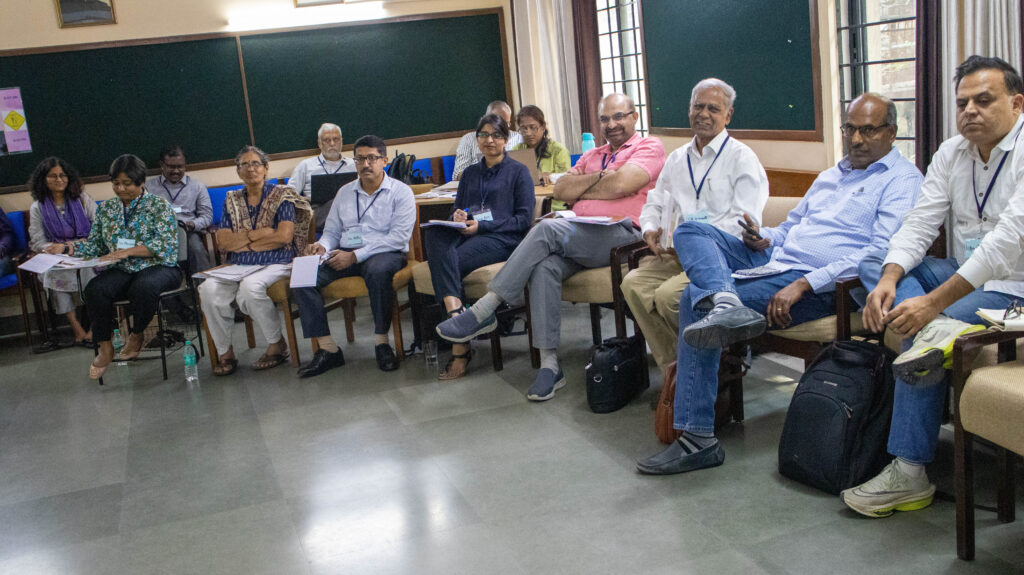
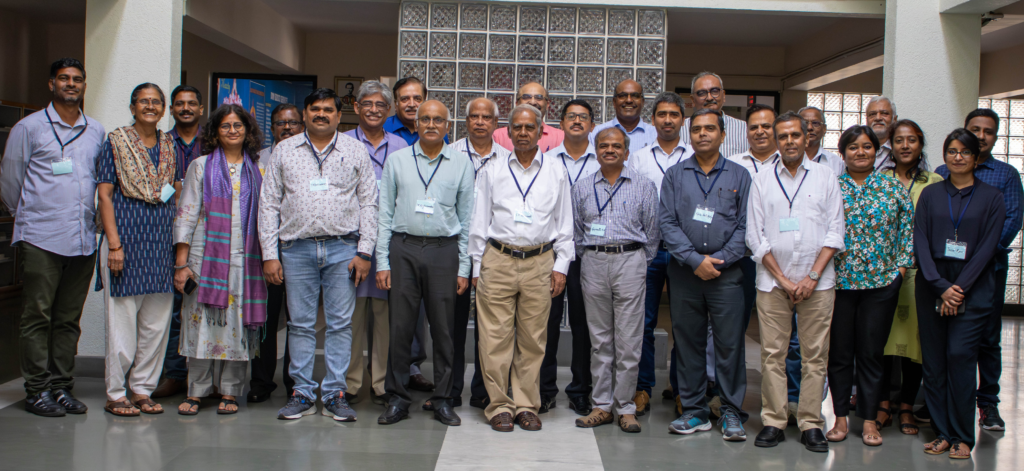
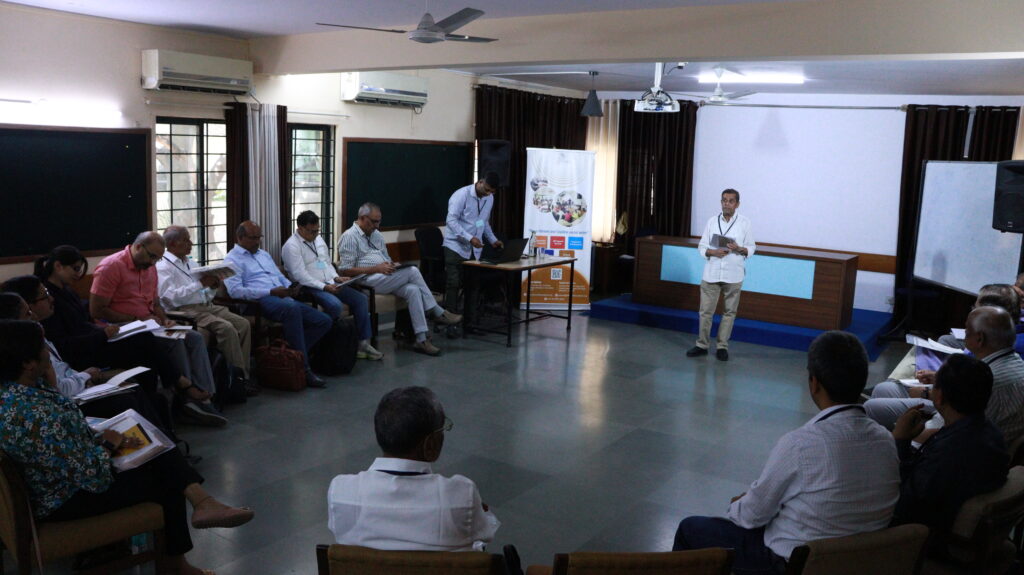
Group picture of Conclave participants
Group picture of participants of the national conclave

Beginnings of a lasting Change:

Niranthara- organisational development programme Launched in Odisha

Dhwani Foundation feels immense pleasure to have stepped into the southeastern state, Odisha to extend the reach of our organisational development initiatives. The steppingstone of the transformational journey is marked by the launch of Niranthara Classic, Dhwani’s 18 months OD Program with 32 enthusiastic grassroots organisations.

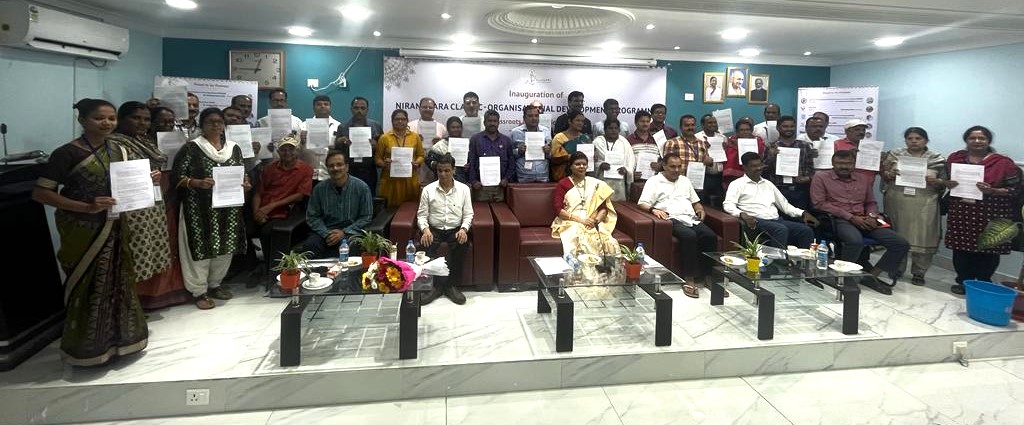
The inaugural ceremony was held on 28th of August 2023 at the Central Institute for Women in Agriculture (ICAR-CIWA), Bhubaneshwar.

Niranthara Classic aims to enable grassroots NGOs to develop a sustainable organisational ecosystem. The program cultivates an organisational shift for better project management, technology Adoption, fundraising and organisational strategies while strengthening compliance, governance, and HR & Financial controls for promoting credibility and vibrancy.

This is achieved by working closely with leaders, board members, senior management, and the program teams to strengthen institutional capacities.

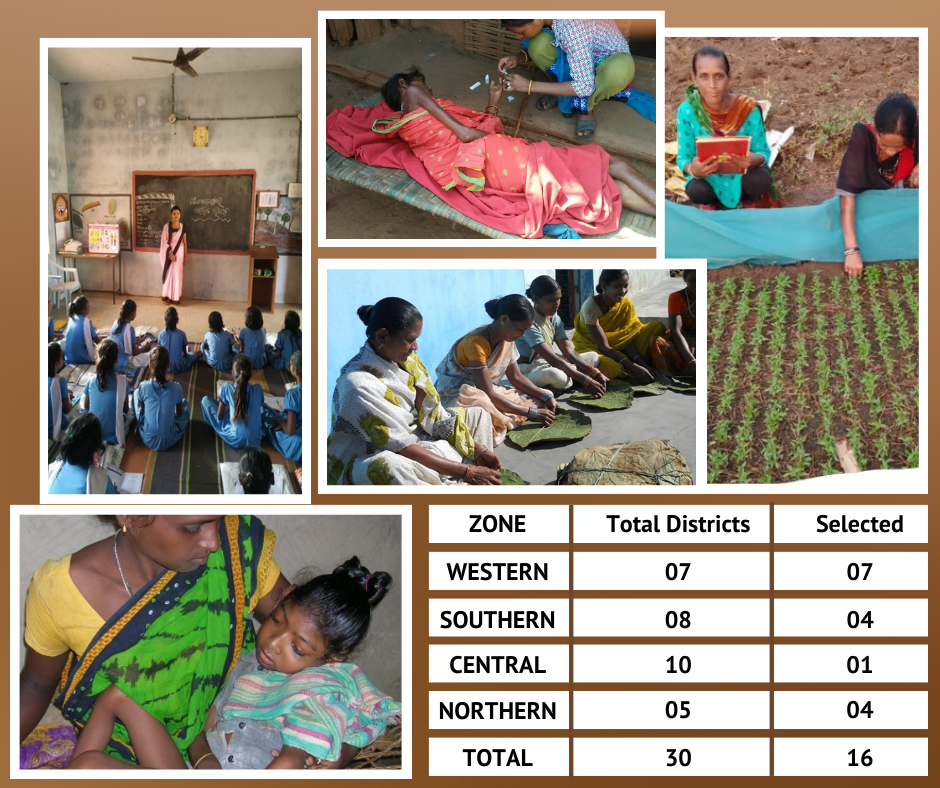
Odisha has 30 districts. Among these 30 districts, our NGO partners are from 16 districts comprising of western, northern, southern, and central zones of the state. The partners represent the key issues in the state considering the socio economic conditions of Odisha. Intervening at multiple social domains, we have 16 partners from livelihood, 6 from Health and Nutrition, 4 from Child Rights & Education, 3 from women empowerment, and 3 from disability. In this combination, 32 grassroot NGOs came together in the inaugural ceremony to join the Niranthara Programme.

The pre inauguration, induction event began with familiarization activities. This included sharing personal journeys and cohort building. It was followed by understanding each organisation as the leaders presented their NGO milestones. Engaging Induction activities made the partner NGOs comfortable with each other as well as with our team.

The partners enthusiastically communicated that they understand the importance of Niranthara Classic in developing their organisational capacity and acknowledged the redefined need for sustainable structures in the changing context of the social sector and the broader world.

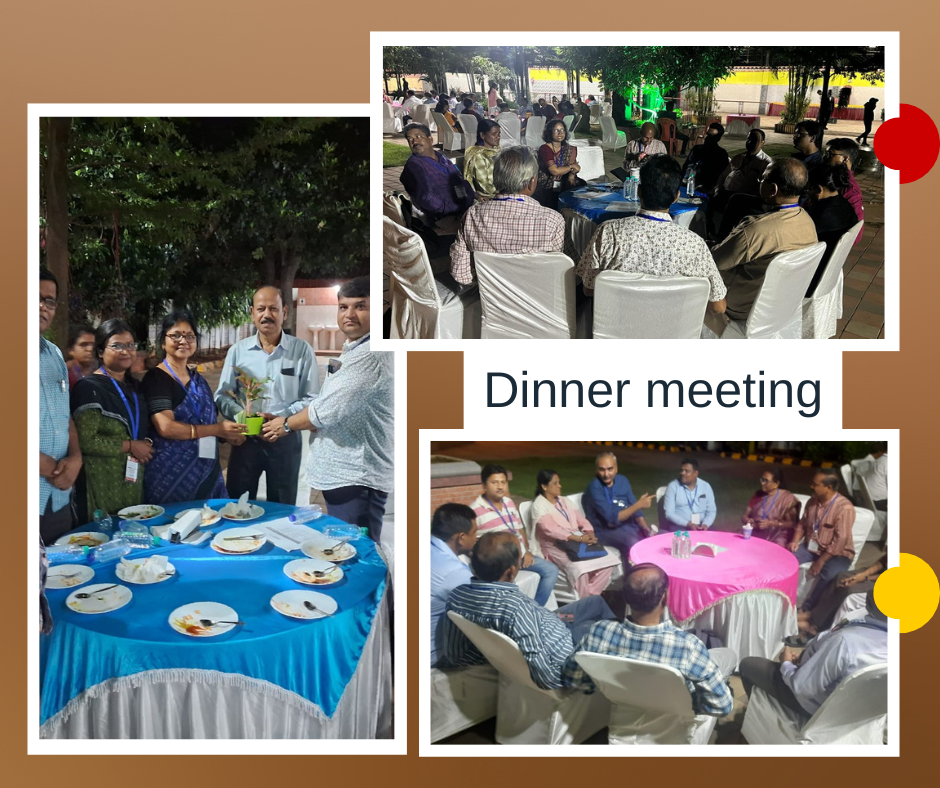
The induction ended with a dinner table conversation of executive guests with the 32 Partner NGOs that was designed by the team to give exposure to the NGO leaders and ensure a personalized learning environment.

The launch and inauguration were marked by a formal event with NGO leaders and our esteemed guests. The Niranthara Classic program was welcomed by our guests and partners as a unique and imperative organisational development program focused on small grassroots NGOs.

To highlight the foundational need of Organisational Development among grassroots NGO, Dhwani Foundation cordially invited notable professionals of the Odisha development landscape. The guests were:

  • Dr Mridula Devi-Director, ICAR-CIWA as chief guest
  • Mr. Gaurahari Biswal, Joint Director, Directorate of Agriculture, and food production
  • Mr. Sannyashi Behera, OAS, Deputy Secretary (SSEPD)
  • Mr. Gautam Kumar Pradhan-Regional Head for Odisha and Jharkhand, Selco Foundation
  • Mr. Prafulla Dhala, CSR Head, J K Paper Mills Ltd.
  • Mr. Umi Daniel, Head, South Asia, Migration information & Research Centre, Aide-et-Action,
  • Mr. Debabrata, Regional Manager, Action Aid

We congratulate all the 32 NGO partners of our inaugural batch of Niranthara Classic in Odisha and wish their transformational journey to be exciting and insightful.

Dhwani Foundation holds gratitude in achieving this milestone and looks forward to having an astonishing and intuitive journey in the state of Odisha.

Niranthara- Lite Cohort 1 launched, Mysuru

Niranthara lite is Organizational Capacity building customised for Small and emerging NGOs with minimal staff and budgets. The programme focuses on Foundational requirements from the 170+ Niranthara parameters.

The first cohort is launched with 19 NGOs from Mysuru region in collaboration with FEVOURD-K.
The programme will enable budding organizations set foundational processes and compliance in place through the 5 month OD programme.

DhristE partner graduation

For DrishtE, 2022 marked an important milestone as 65 of our NGO partners completed Niranthara DrishtE eLearning course.
DrishtE provides a free and self-paced learning platform for small NGOs to initiate organization development practices and implement them.

Mr. V.S.Basavaraju, Former State commissioner – Disability, Mr. Manichvelu, Mindtree Foundation, and Ms. Hyma Vadlamani, Azim Premji Foundation were present on this occasion and emphasized on ensuring implementation of the learnings that lead to growth and in turn reach out to more beneficiaries effectively.

Niranthara Sikshak- Assam

Graduation ceremony of Niranthara Sikshak NGO partners at SIRD, Guwahati.
14 NGO partners completed the Niranthara capacity building programme through our Sikshak partner, NE RCRC.

Through Sikshak programme, Dhwani partners with Resource organizations and NGO networks in a train the trainer model, where in the resources and learnings of Niranthara can be transferred to the Sikshak partner. The Niranthara capacity building programme is then delivered by the Sikshak partner.

Niranthara-Sahayak family grows- Cohort 2 Launched

26 grassroots NGOs from Tamil Nadu joined us for the orientation programme of the 2nd cohort of the Niranthara Sahayak programme. Ms Pratibha from Titan CSR and Ms Anita Kumar Amazon CSR joined us as we inaugurated the batch.

The 2-day long programme was an immersive initiation into the 12-month-long capacity building and service delivery model.
The partners also spent half a day in the office of our service providers, Asteya Services and Guru & Jana to first-hand experience how Compliance, HR, Finances and MIS functions will be centrally managed by them. Governance, Strategy, Programme management and Marketing & Fundraising will be part of the 12 month capacity building programme conducted by Dhwani.

Celebrating our graduating partners

Niranthara Graduation event of our 58 Grassroots NGO partners from Karnataka and Tamil Nadu.

An exciting day, packed with interactions, networking, discussions for collaborations, felicitations as well a very insightful fireside chat with Mr S. D. Shibulal, Co-founder, Infosys Limited and Co-founder, Axilor Ventures Pvt Ltd.

As we congratulate our graduating partners and believe that this milestone will further strengthen their work and open new doors for collaborations and support.

Niranthara Sahayak Programme launch

18 grassroots NGOs have enrolled as the first cohort of the Hybrid organizational change management programme. The cohort started from July 2022.

The 12 month intervention is designed to bring in systematic change while upgrading processes and systems for NGO management while providing ongoing access to shared services through professional service providers.

Mr Sriram Ananthanarayanan of United Way Bengaluru, while inaugurating the programme said that it was heartening to see how the NGO family is coming together in synergy to learn and build on each other’s strengths.

Mr Chetan Khosla of Asteya Services and Mr Guru Prasad M from Guru & Jana joined the occasion and shared about the rising expectations from the grassroots organizations how can we grow as exceptional NGOs.

Bringing non-profits and CSR leaders together

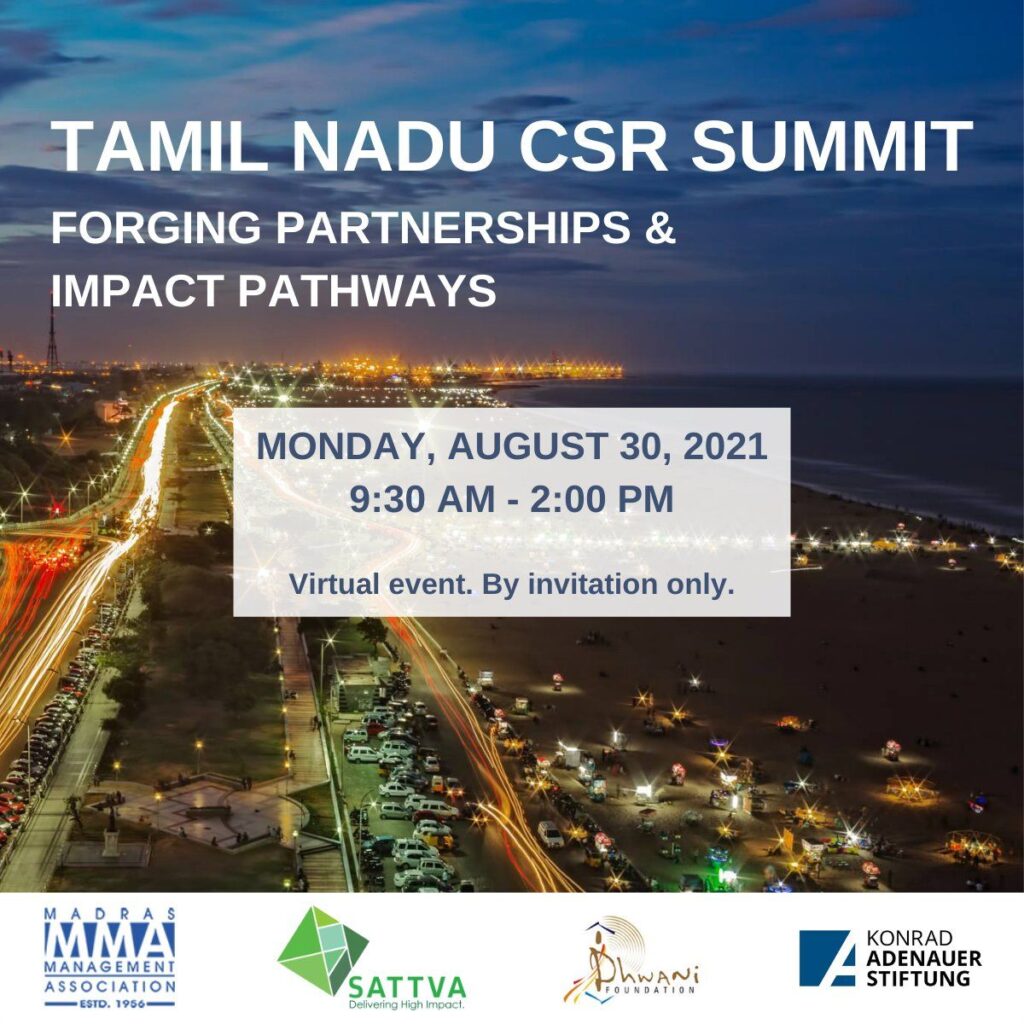
Tamil Nadu CSR Summit 2021 was held on 30th August, organised by Sattva, a consulting firm in the social impact sector, in partnership with Madras Management Association and Dhwani Foundation.

event poster
Event poster

Today, Tamil Nadu is India’s second-largest economy despite being only the sixth most populous state. Tamil Nadu is among the top-performing states on the United Nations Sustainable Development Goals (SDGs). It has a composite SDG score – which includes all key development sectors including health, education, employment, sanitation, energy among others – of 74 and ranks second on NITI Aayog’s SDG Index 2020-21.

The CSR mandate was made into law in 2014, and since then INR 92,605 crores of funding has been channeled by corporates towards development causes in the country. Tamil Nadu received INR 4094 crore from 2014-2020 and is the fourth highest CSR spender in India.

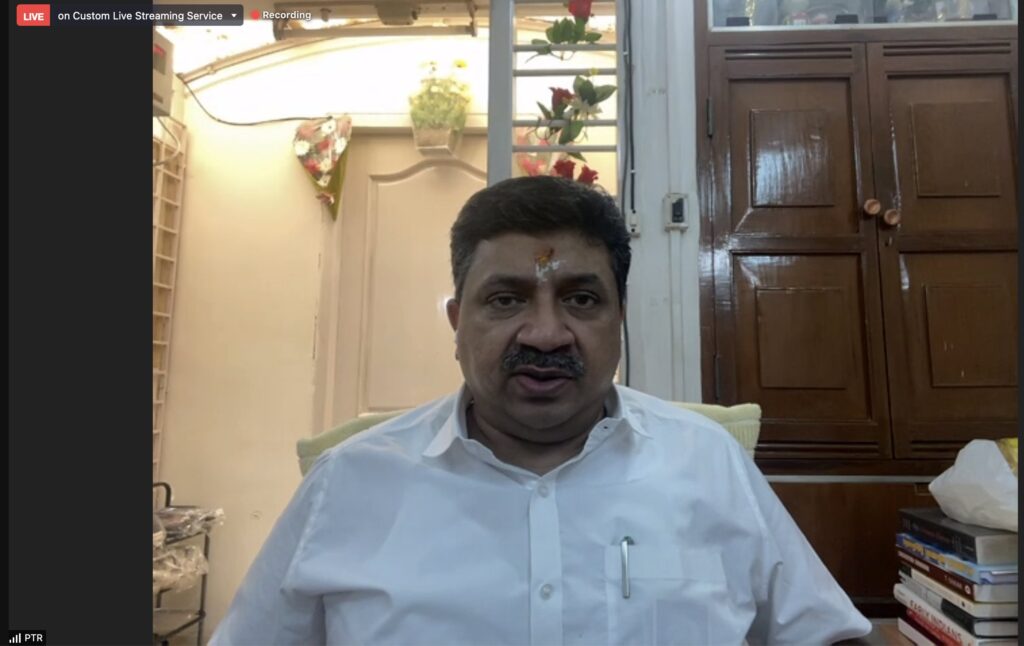
Dr Palanivel Thiaga Rajan (PTR), Minister for Finance & Human Resources Management, State Govt. of Tamil Nadu released the Tamil Nadu CSR Report which provides detailed information on where the over INR 4000 crores the State received in CSR funding since the inception of the mandate was spent, both at a district level and sector-wise.

Dr PTR observed, “the bulk of CSR are for projects in Chennai and Coimbatore, and little has been spent in Aspirational Districts.” He said it should be a wake-up call for big corporates to be more thoughtful, granular and detailed in their approach and activities.

Dr PTR speaking after the report release

In the last two years of 2018-2019 and 2019-2020, the state received over INR 800 crore each from the different corporates in the country. Companies headquartered in Tamil Nadu played a key role, with 72%of CSR funds received coming from them.

Key insights from the report :

  • The top three funding industries are BFSI, manufacturing and energy
  • Chennai received the bulk of CSR outlays at close to 25%, with Vellore and Coimbatore at little over 6% and 5% respectively
    • NITI Aayog recognised aspirational districts – Ramanathapuram and Virudhanagar –  which are yet to meet many of the markers as per the SDGs received less than one percent outlay across the last six years
    • The three districts of Ariyalur, Tenkasi and Tirupattur received none at all
  • Following the pan India trend, education was the most preferred segment which the organisations supported, with healthcare and rural development coming in the second and third place
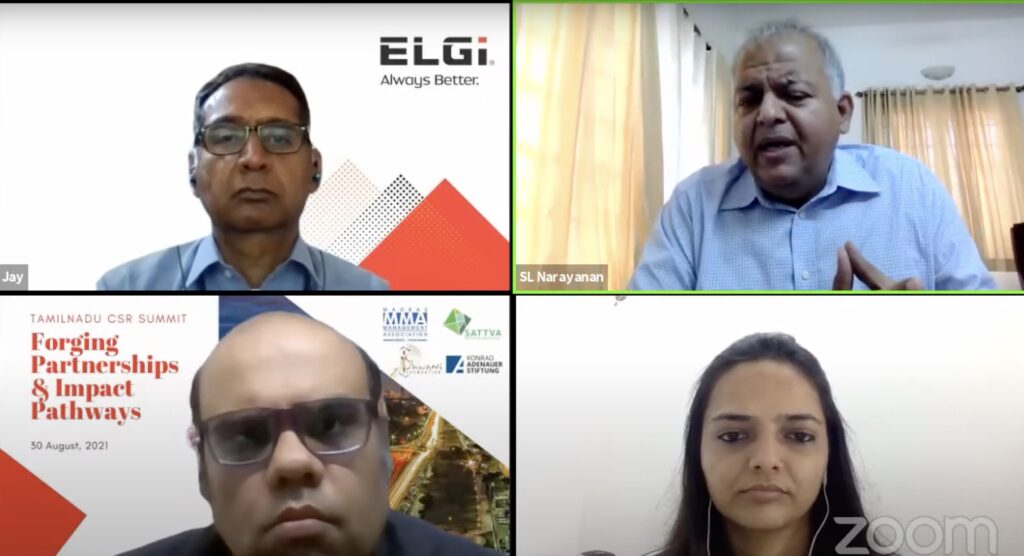
Panel discussion
Panel discussion on Evolution of CSR

The event saw panel discussions on the Evolution of CSR, Enabling innovations and best practices in Social Impact, and Facilitating effective cross-sectoral and localized partnerships for scaled and sustainable impact. Participants included leading corporate leaders and representatives from NGOs and Foundations – Ashok Leyland, ELGi Equipments, Cognizant Foundation, Grundfos India, IIT Madras, Lend a Hand India, NSE Foundation, Saint Gobain, Samunnati, SUN Group and Thendral Movement.

Dhwani Foundation’s Executive Director KN Gopinath shared concluding thoughts, “It is time to deliberate how we can bring data and people together to ensure more impact in TamilNadu, with the government, non-profits and CSR organisations working together.”

The full report is available here: CSR in Tamil Nadu